
Punjab After the Second World War
~
The Rise of Independence
~
The Idea of Pakistan
~
Congress and The Future of India
~
Sikhs and the Future of Punjab
~
The Politics of Partition
~
Viceroy Mountbatten & the June 3rd Plan
~
Drawing the Border
~
Independence & Partition
~
Violence & the Collapse of Order
~
Punjab After the Second World War ~ The Rise of Independence ~ The Idea of Pakistan ~ Congress and The Future of India ~ Sikhs and the Future of Punjab ~ The Politics of Partition ~ Viceroy Mountbatten & the June 3rd Plan ~ Drawing the Border ~ Independence & Partition ~ Violence & the Collapse of Order ~
A decade defined by competing ambitions, impossible decisions, and lasting consequences.
Hope. Uncertainty. Division.Where independence arrived alongside unimaginable change.
The Great Migration
~
Cities and Villages divided
~
The Civilian Experience
~
Refugees and Resettlement
~
Homes, Land, Property
~
Dividing a pROVINCE
~
tHE eCONOMIC Conseqeunces
~
The new Administrations
~
A lost Punjab
~
The Great Migration ~ Cities and Villages divided ~ The Civilian Experience ~ Refugees and Resettlement ~ Homes, Land, Property ~ Dividing a pROVINCE ~ tHE eCONOMIC Conseqeunces ~ The new Administrations ~ A lost Punjab ~
An Introduction
The Partition of Punjab in 1947 marked one of the most defining turning points in the region’s history - not only for what was lost, but for what emerged in its aftermath.
For centuries, Punjab had existed as a connected cultural and geographic space, shaped by shared language, trade, and overlapping communities. In 1947, the province was divided between the two dominions of India and Pakistan alongside the end of the British Raj. The division was sudden, and its human cost was immense. Millions were displaced, and communities that had lived alongside one another for generations were forced to move across new borders.
The partition of Punjab was one of the largest migrations in modern history.
But the partition was not isolated.
It was the outcome of political visions and conflicts that had been developing for decades.
By the early 20th century, three major forces had emerged, each with a different idea of what the subcontinent, and ultimately Punjab, should become:
The Indian National Congress envisioned a united, independent India, where Punjab would remain part of a larger national framework.
The All-India Muslim League argued for a separate Muslim homeland, where Punjab, with its significant Muslim population, was central to the creation of Pakistan.
The Unionist Party, sought to preserve a balance between communities, prioritising stability within the province over broader national divisions.
Punjab was not peripheral to these visions.
It was central.
In Punjab specifically, a fourth party represented the Sikh people - the Shiromani Akali Dal, whose leaders raised concerns specific to the Sikh community and lobbied for political safeguards and religious rights.
Punjab’s geography, its agricultural output and wealth, strategic position, and deeply interwoven population made it one of the most contested regions in the subcontinent.
Every political outcome - national unity, division, or autonomy - depended, in part, on what would happen to the Punjab province.
As these competing visions intensified, the province became a space where national decisions were felt at a local level. Political negotiations translated into uncertainty amongst the population. Communities that had long coexisted found themselves drawn into a larger question they had not created, but could not avoid.
And when Partition came, it did not just divide territory.
It divided lives.
Yet, to understand Punjab only through that division is to miss what followed.
Punjab did not seperate in 1947.
It adapted.
On both sides of the new border, people rebuilt - re-establishing their homes, economies, and cultural life under entirely new conditions. The province was reshaped, but its history was not erased.
This series explores the Partition of Punjab through the lens of the people and land, as a process shaped by political ambition, regional realities, and the lived experiences of those caught between them.
It traces the lead-up to Partition, the role of competing political movements, the drawing of borders, and the aftermath of migration and resettlement.
Because while Partition changed Punjab,
it also revealed its ability to endure, to rebuild, and to continue.
Disclaimer: The Partition of Punjab was a deeply complex historical event. This series provides an overview of its political, social and human dimensions, but no single account can encompass every perspective or individual experience. Readers are encouraged to undertake their own research.
This series explores difficult historical events that some readers may find distressing; Reader discretion is advised.
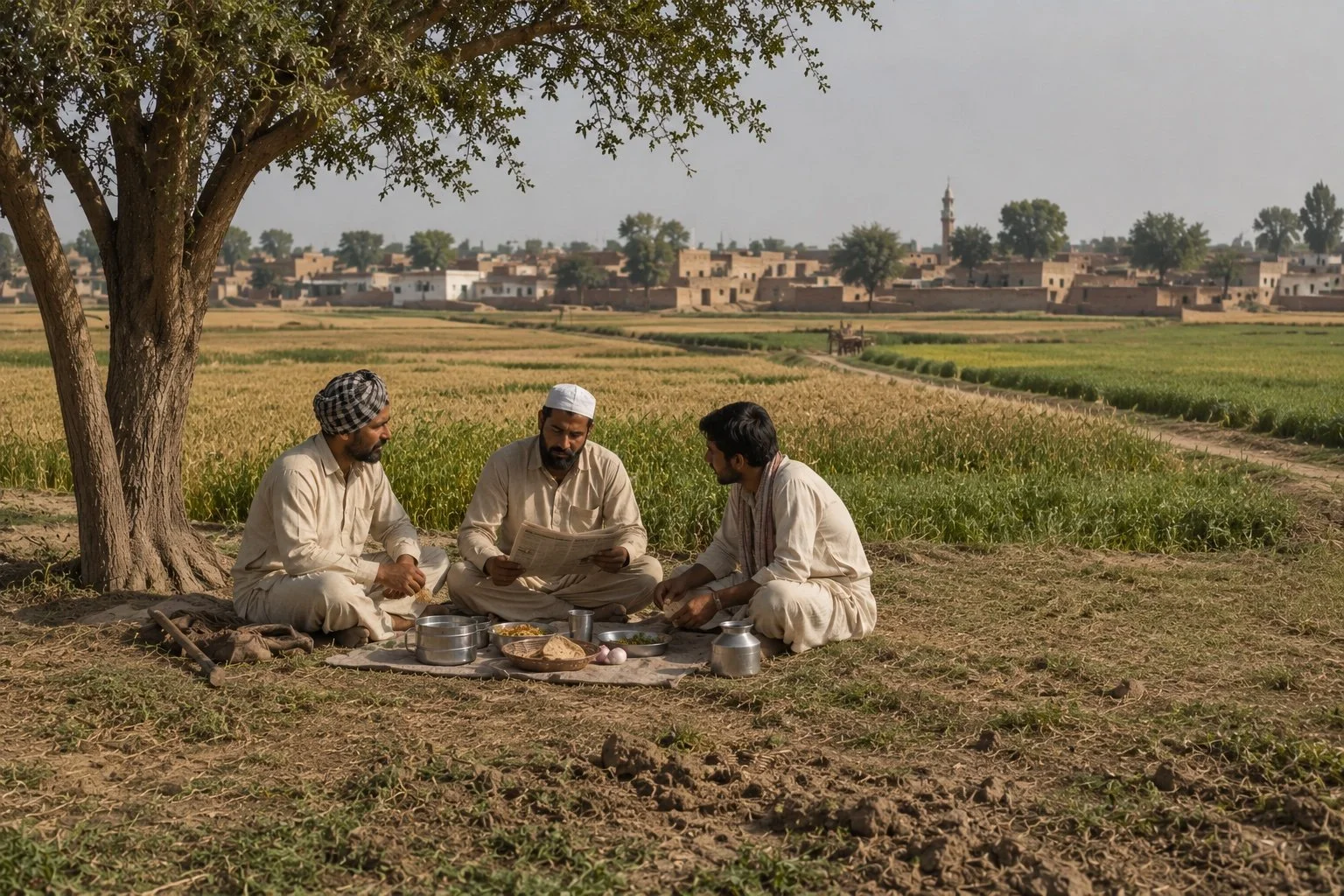
Part I - The Road to Partition: The Rise of Independence I
The British Raj. A changing Punjab.
Protests. Reform. Growing political movements.
The foundations of independence solidified in the decades before 1947.
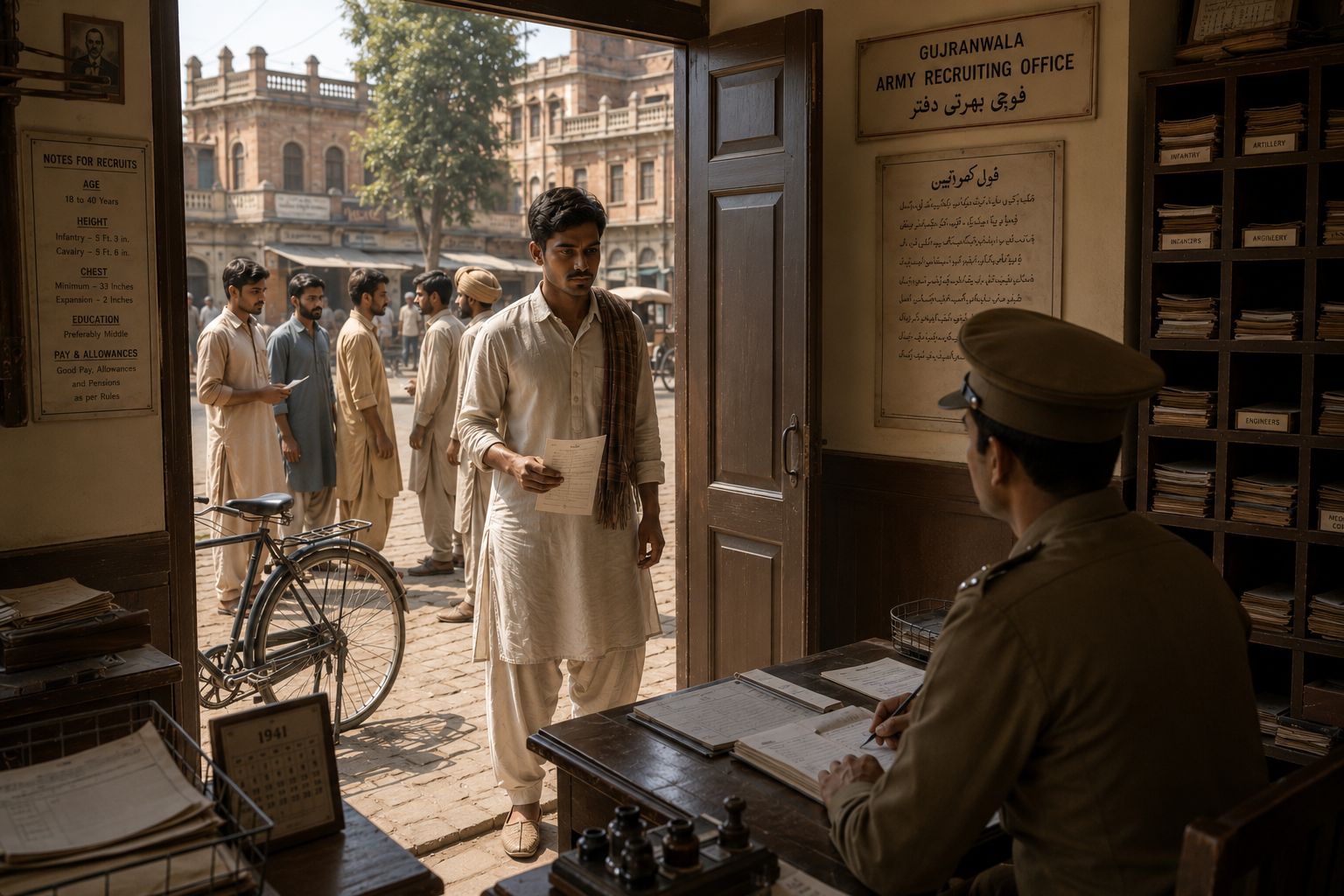
The Rise of Independence II
The Second World War.
Recruitment. Industry. Sacrifice.
The conflict that reshaped Punjab long before Partition.
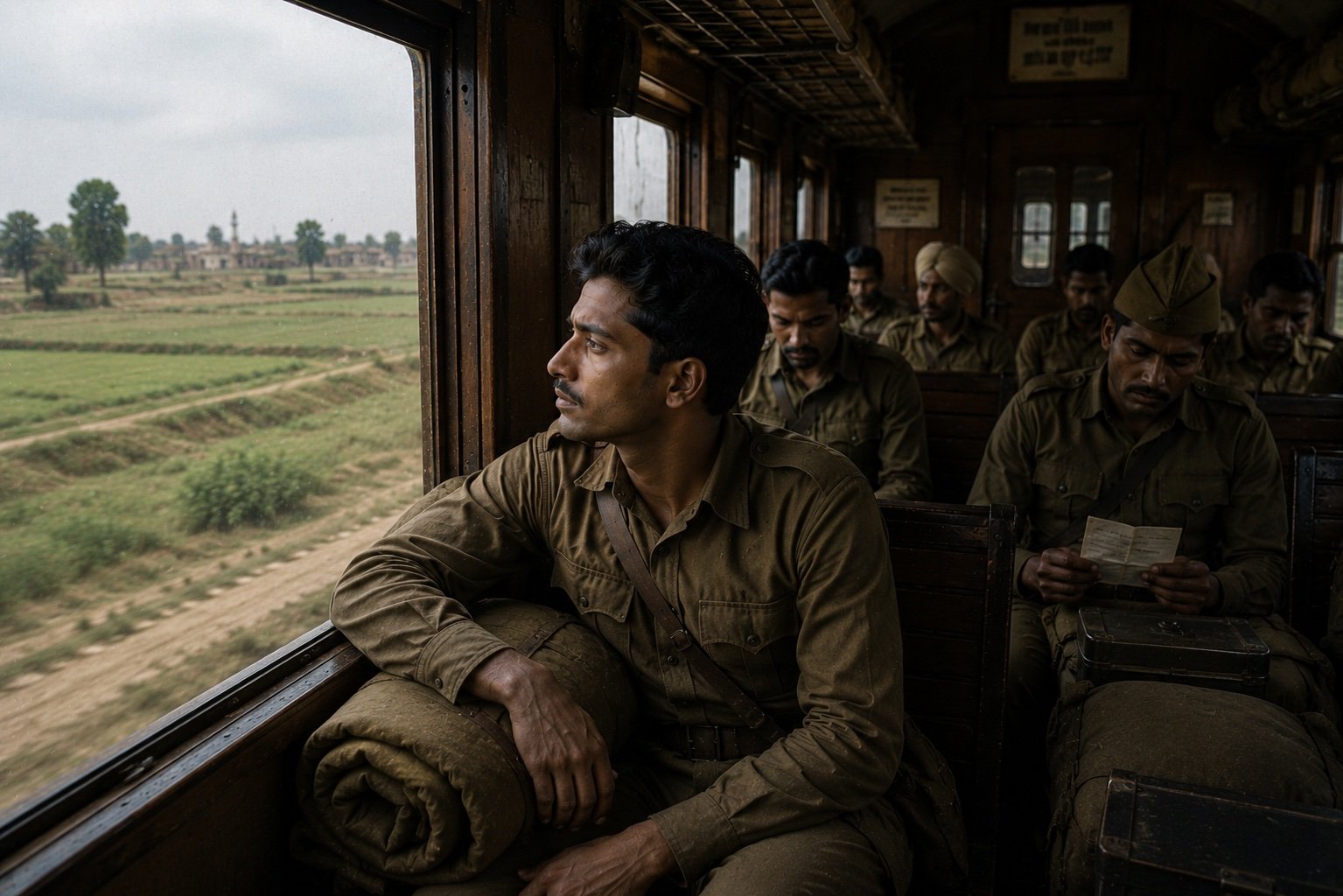
Punjab After The Second World War
The war was over.
Soldiers returned. Prices rose. Uncertainty grew.
The peace that followed would prove more fragile than anyone expected.
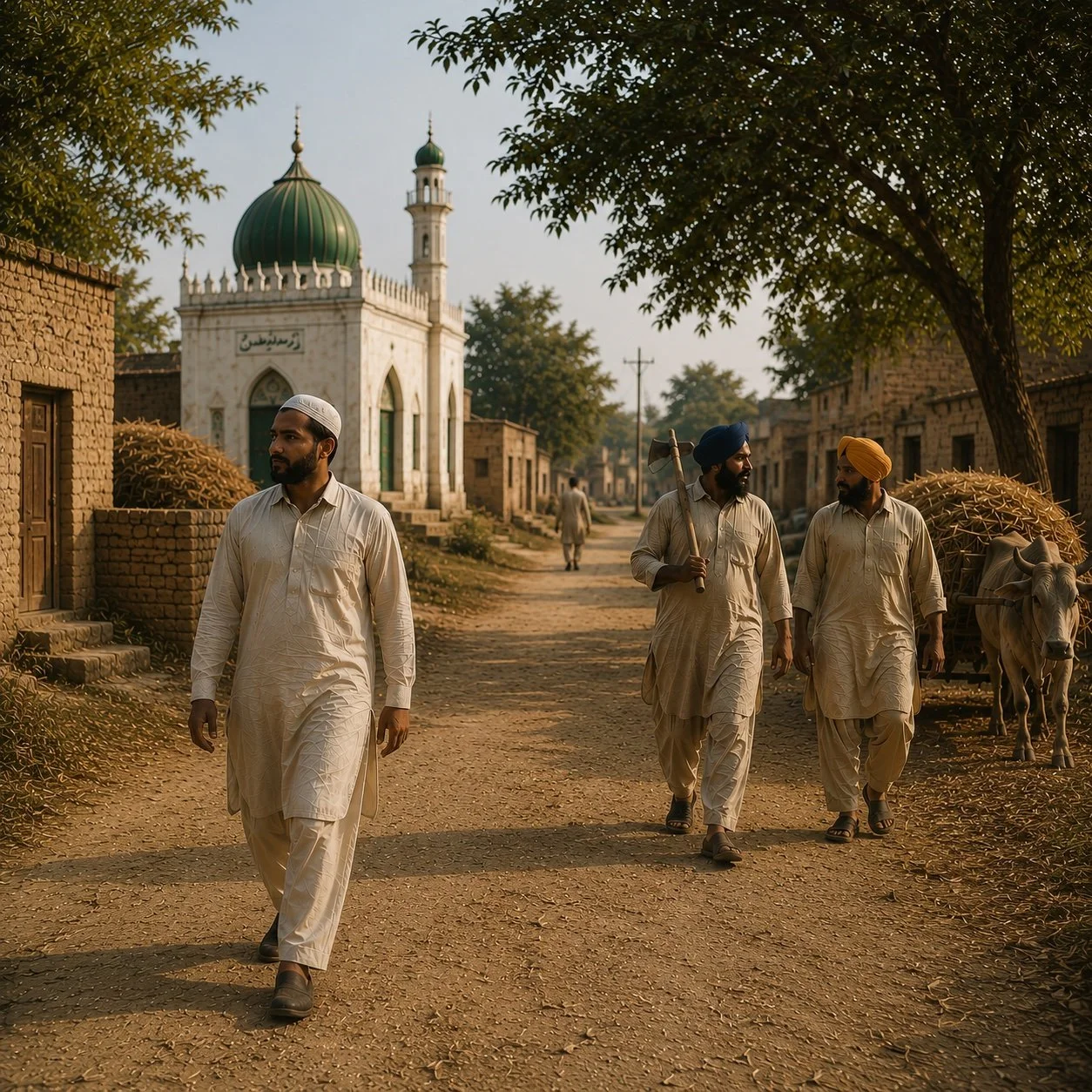
The Idea of Pakistan
An idea.
A speech.
A resolution.
Long before borders were drawn, the future of Punjab and a new nation were already intertwined.
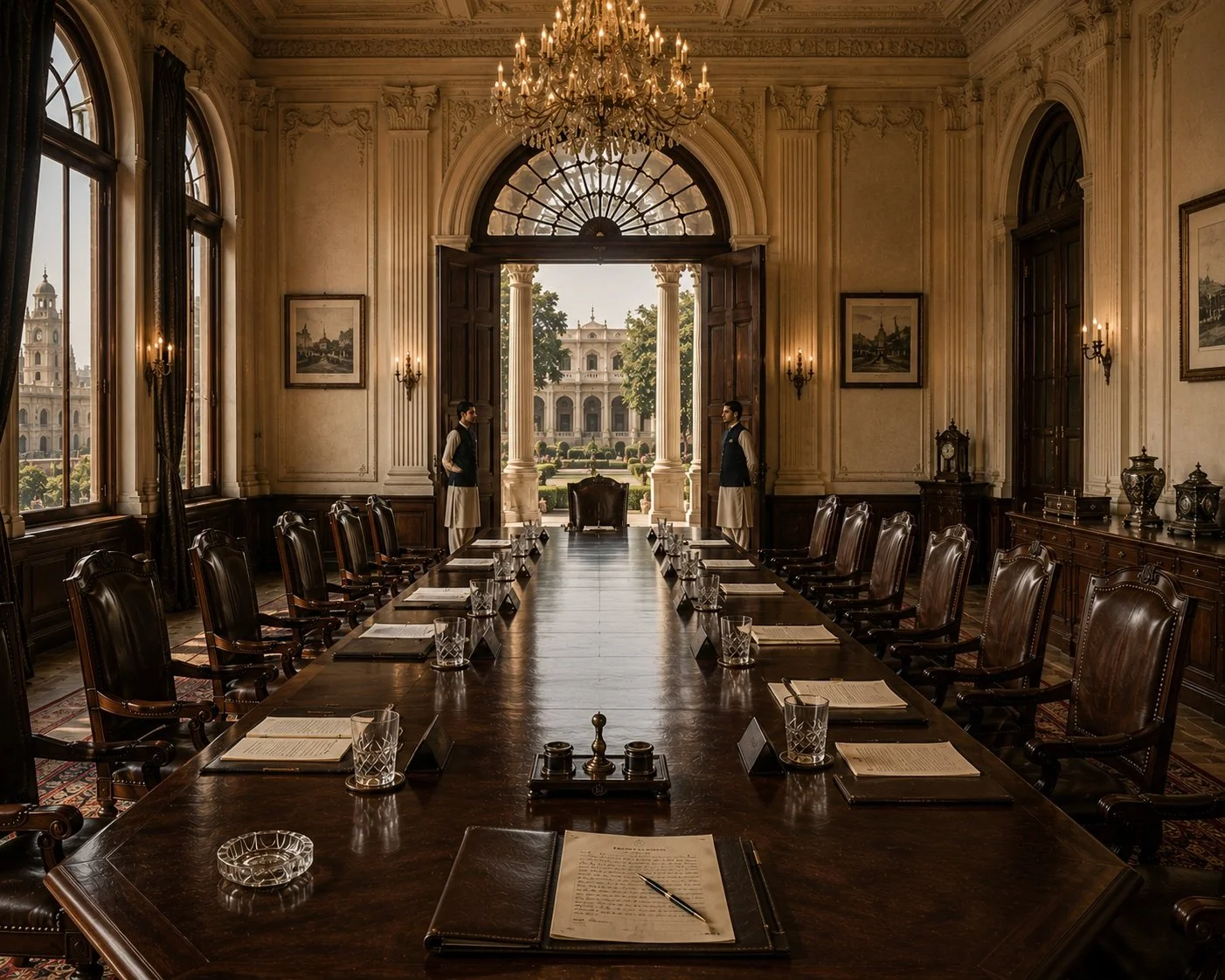
The Congress, Muslim League & Unionist party
Three parties. Three visions. One province.
Competing futures.
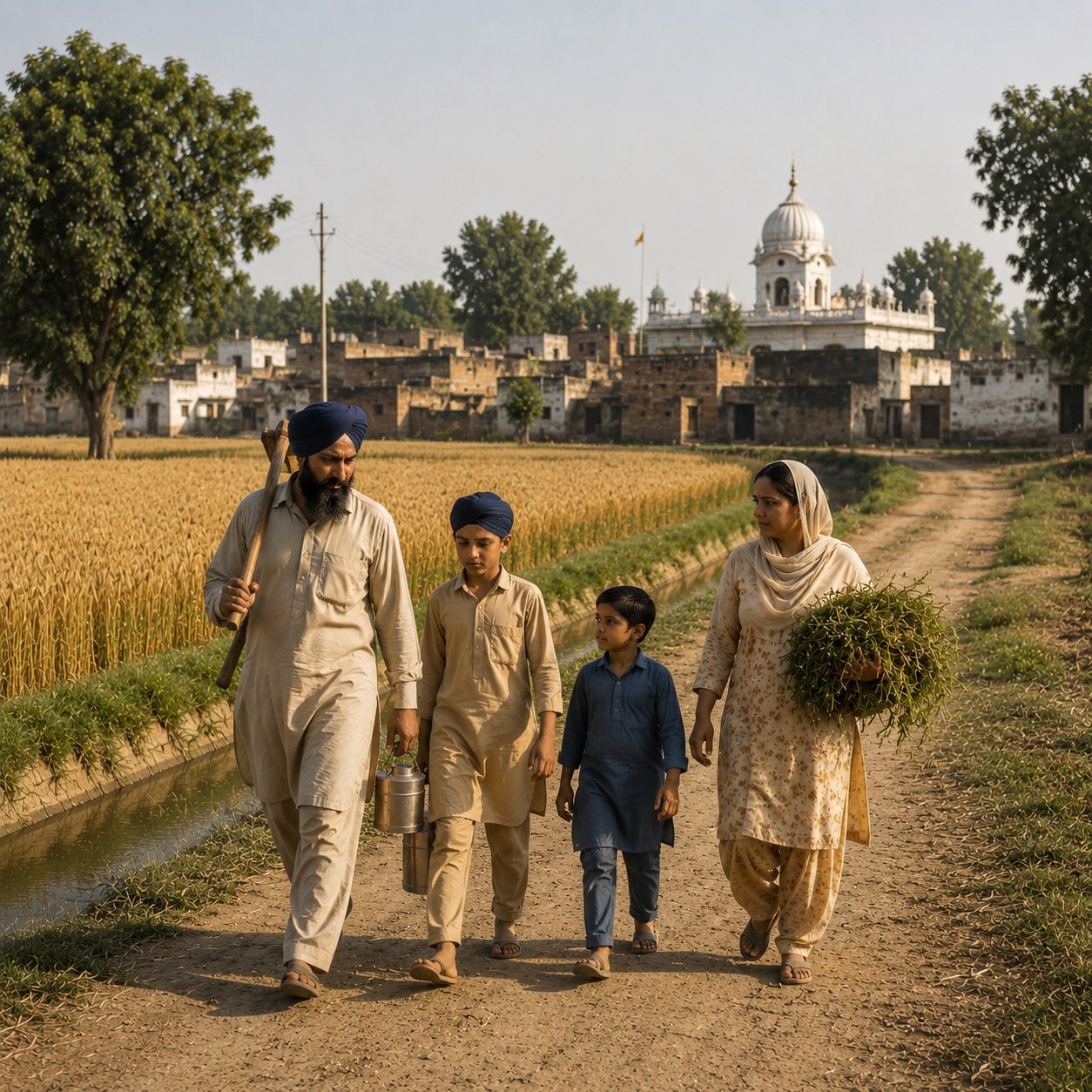
The Sikh Community and The Future of Punjab - The Shiromani Akali Dal
A community without certainty.
A homeland without guarantees.
As Punjab's future became unclear, so too did the future of its Sikhs.
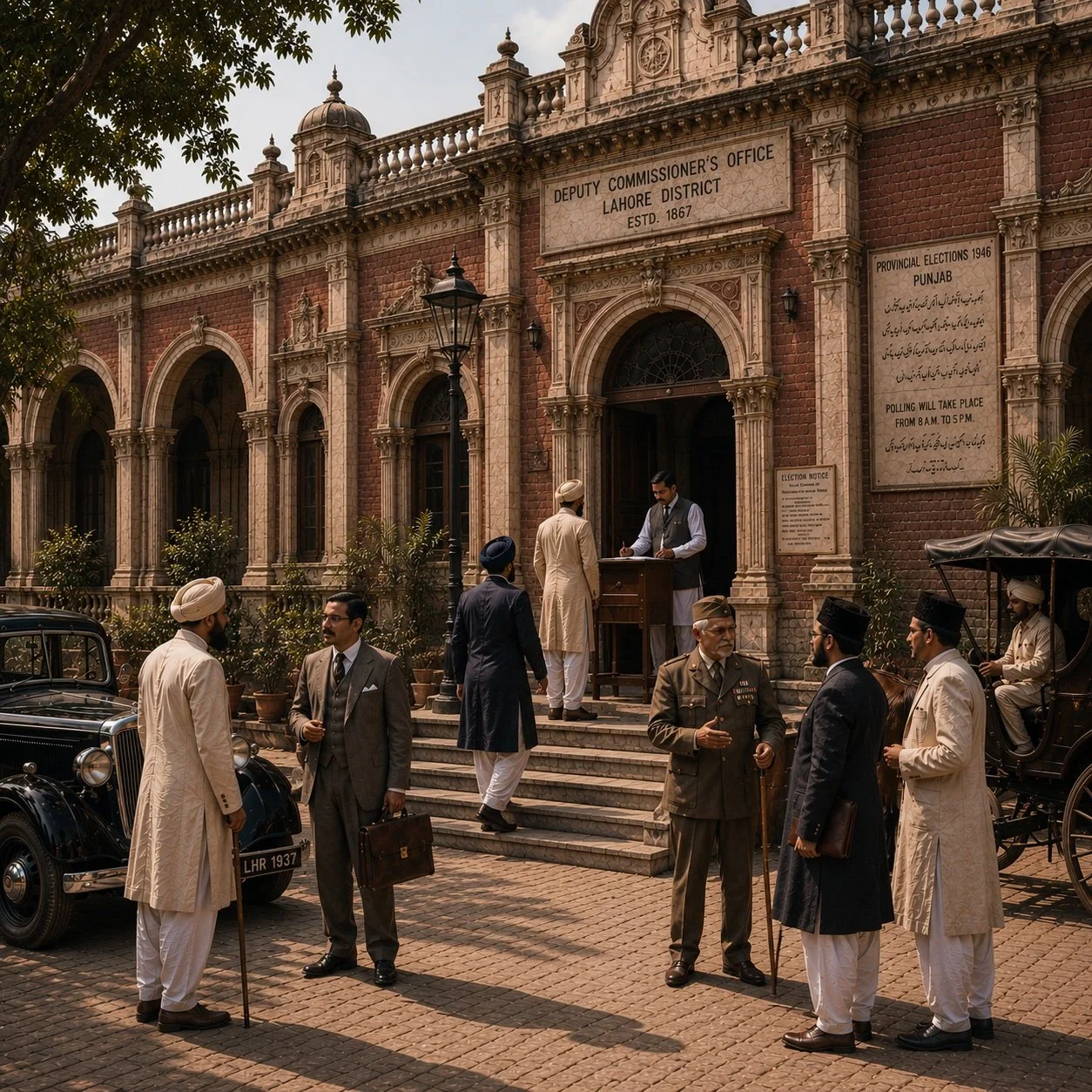
The Last Government of United Punjab
The Unionist Party. Sir Khizr Hayat Tiwana. Civil unrest.
The 1946 elections reflected divisions beyond repair.
Punjab was not yet divided but its people held polarising opinions.
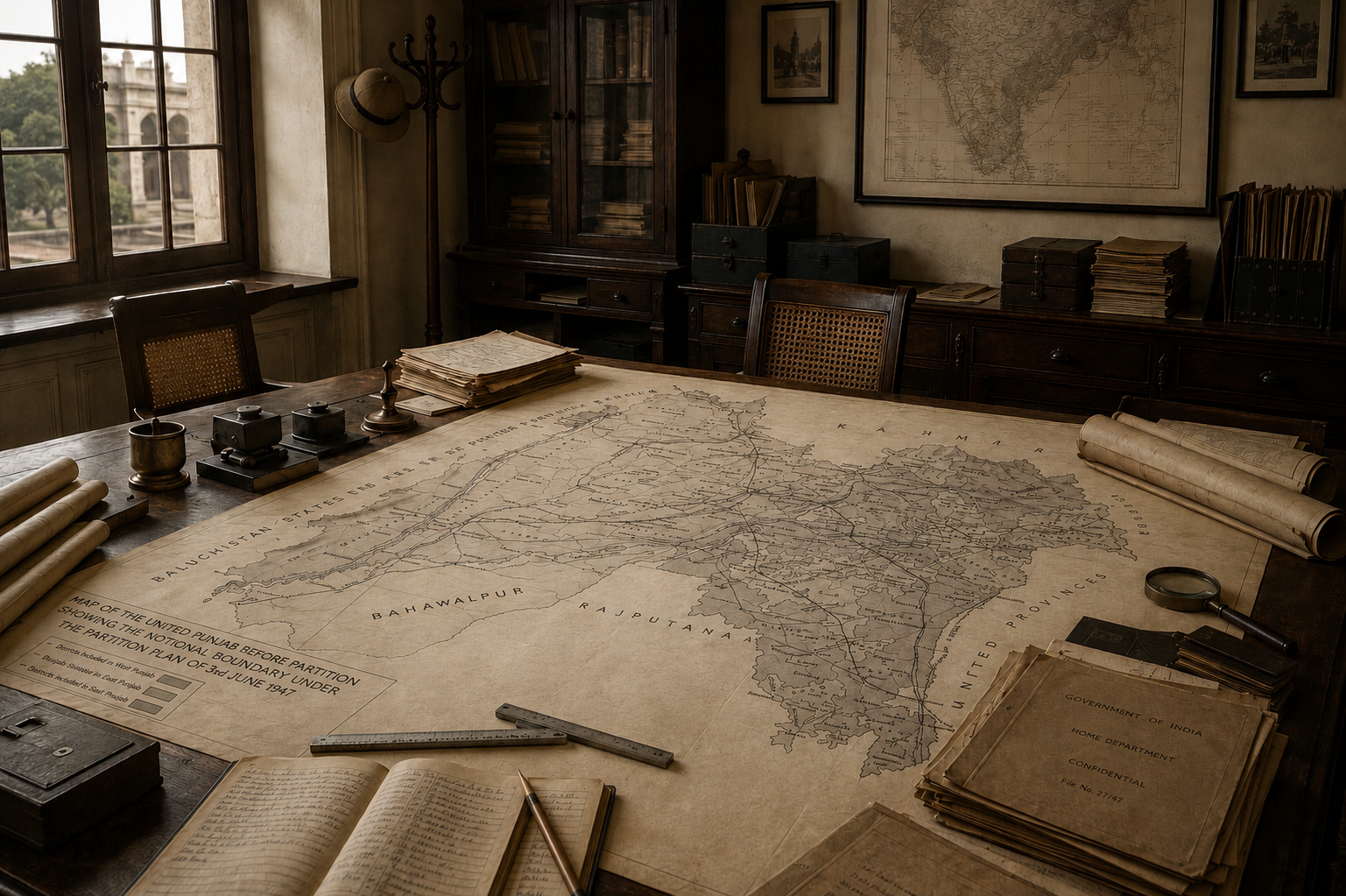
Viceroy Mountbatten & The June 3rd Plan
The final Viceroy. The final negotiations. The final months of colonial rule.
June 3rd 1947 - The announcement of partition.
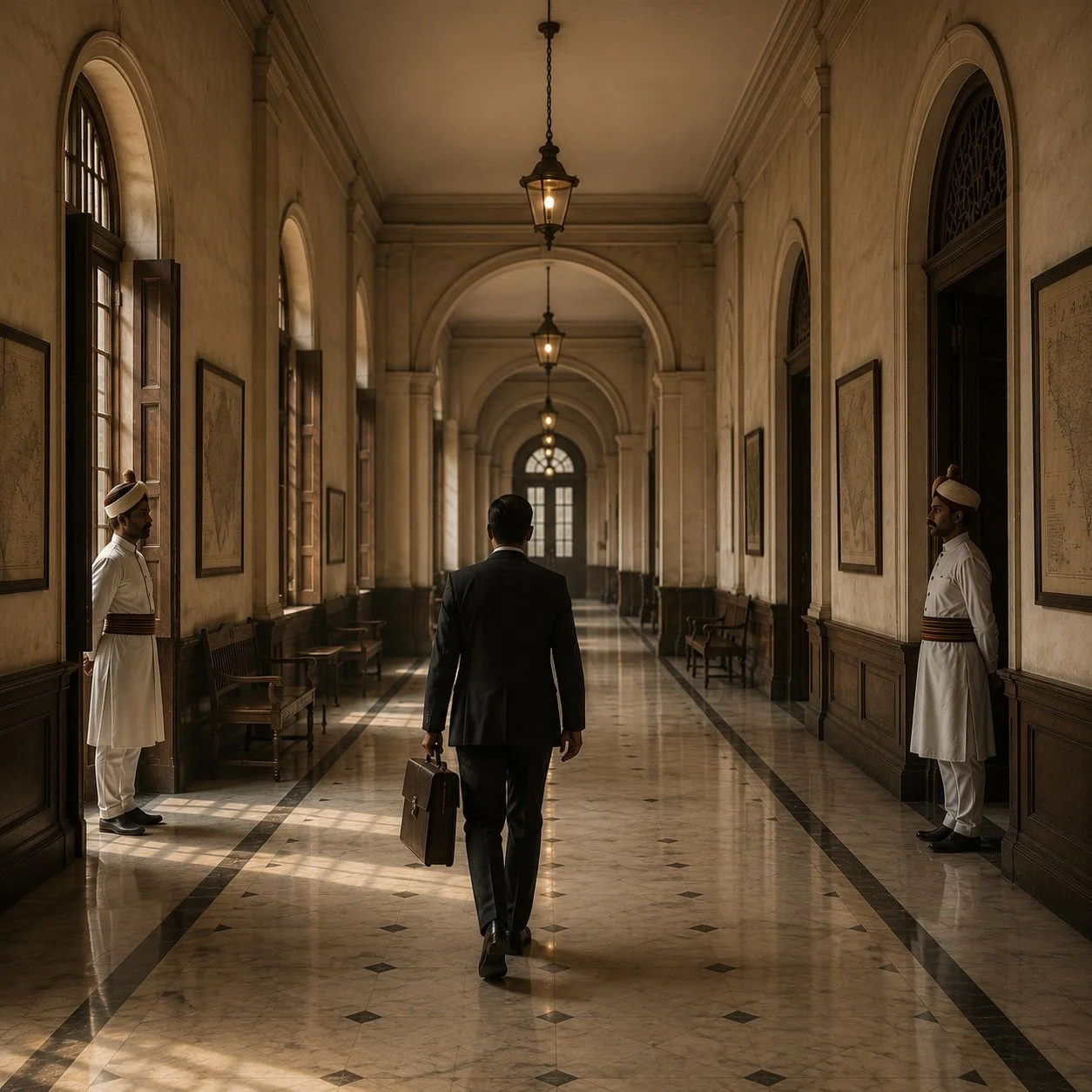
Drawing The Border
Religion. The 1941 Census. A 5-week deadline.
The Radcliffe Award.
One decision. Endless consequence.
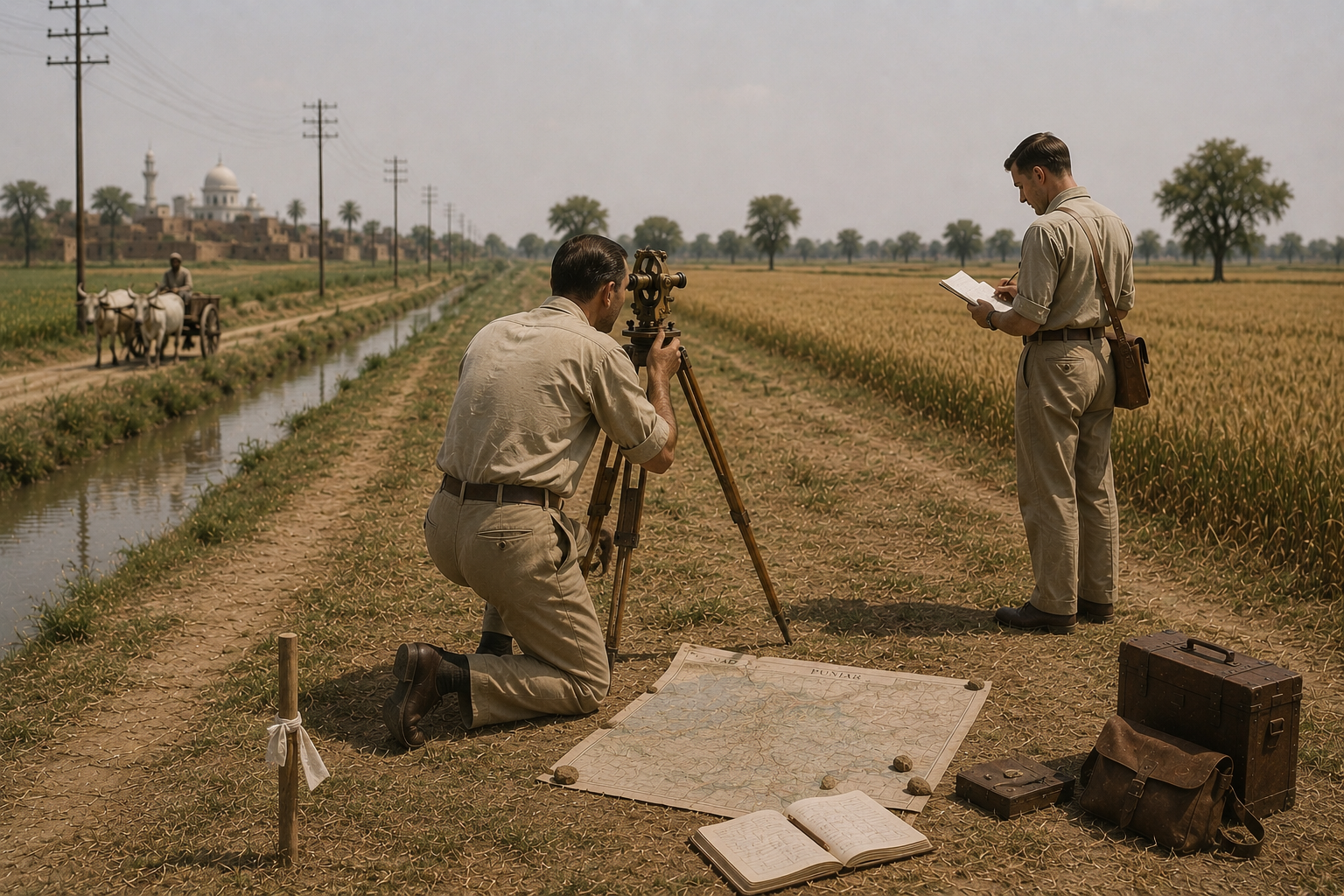
Part II - Dividing Punjab: Independence & Partition
14th August. 15th August.
Celebration. Uncertainty.
The first days of independence, the final days of united Punjab.
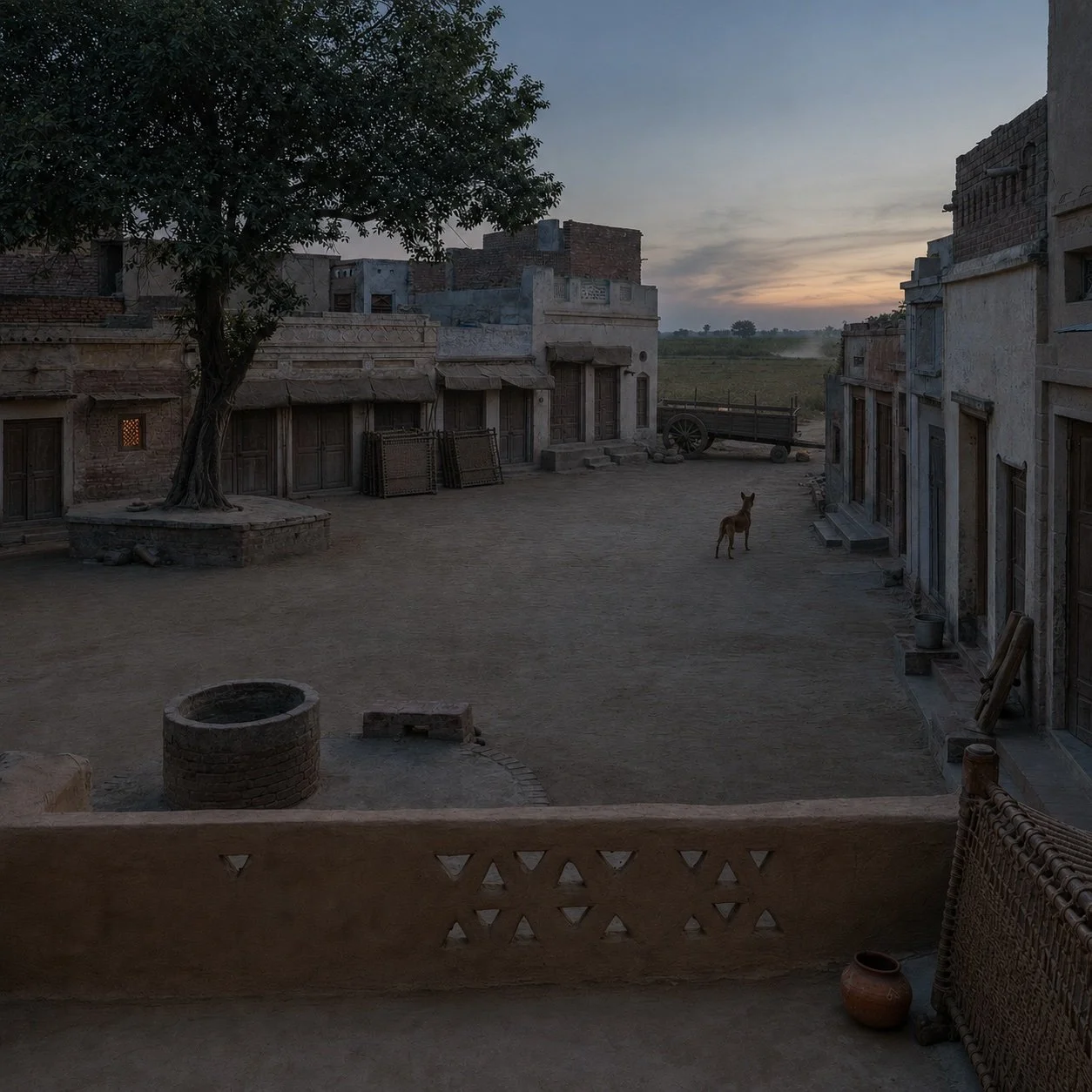
Violence and the Collapse of Order
The first signs of unrest.
Rumours became fear. Fear became violence.
When the future became uncertain, the province began to unravel.
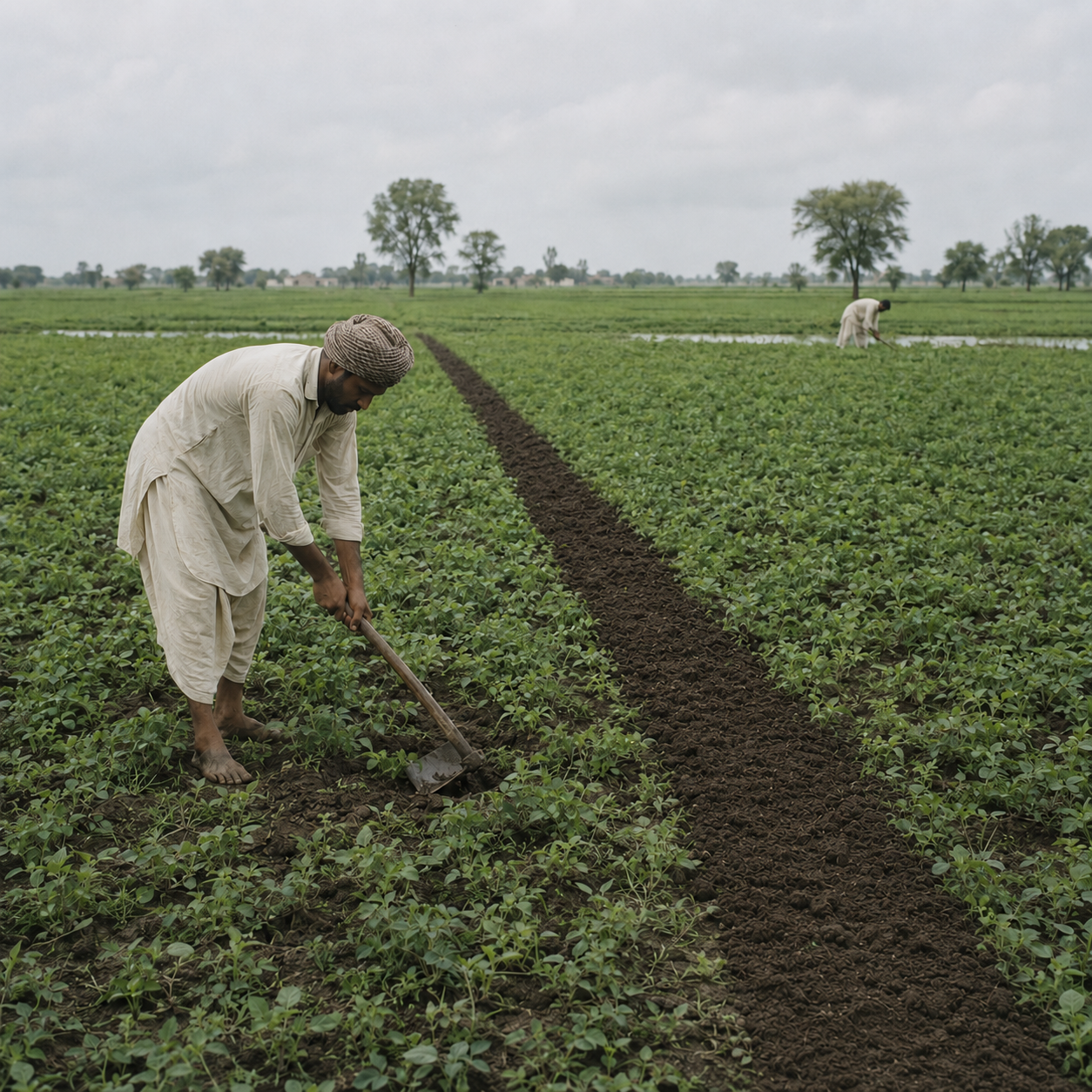
Independence Without A Border
Midnight came. Independence arrived.
Flags were raised. Governments took office.
Punjab was divided, but its people didn’t know where.
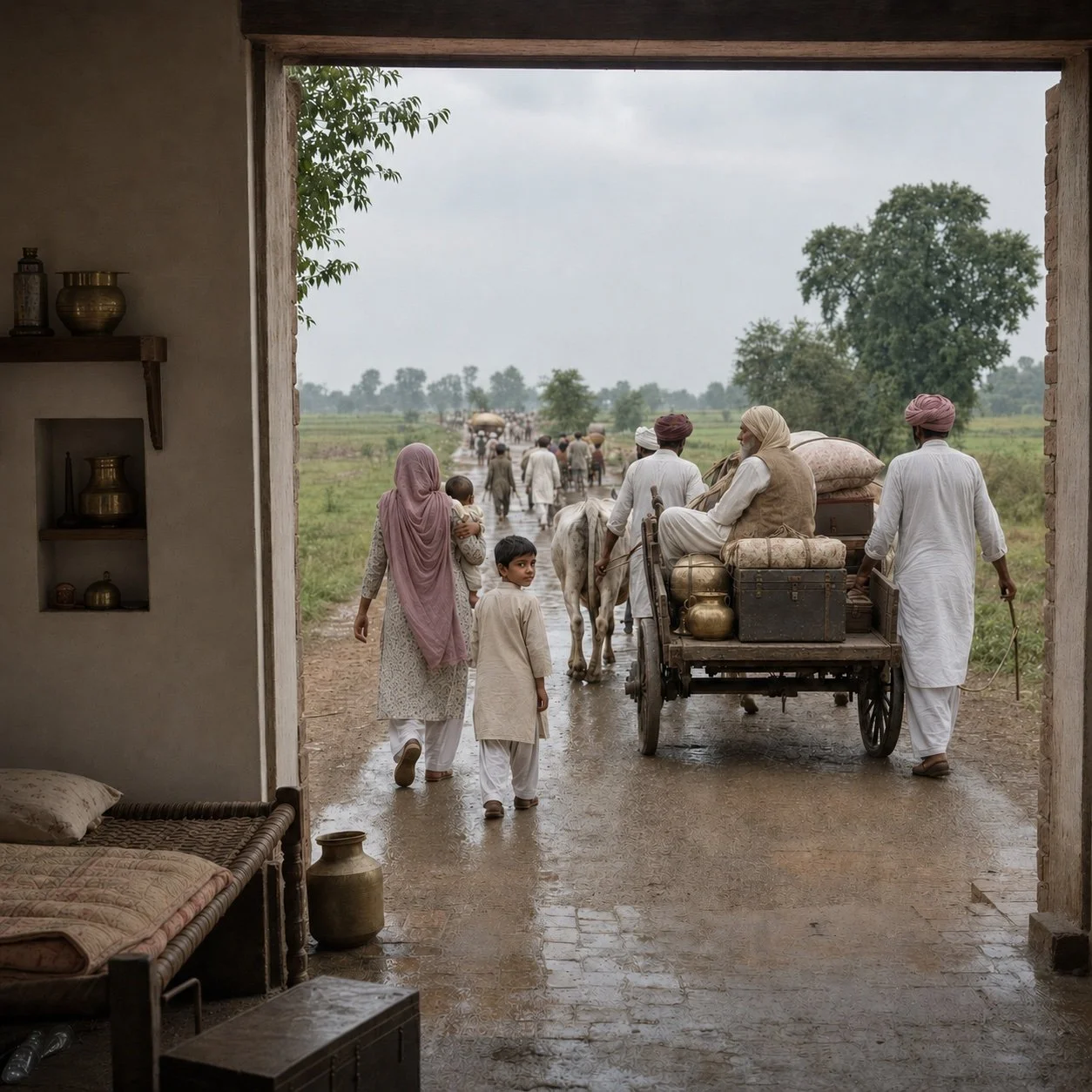
The Great Migration
One final look. One last farewell.
Parents. Children. The elderly.
No one experienced the journey in quite the same way.
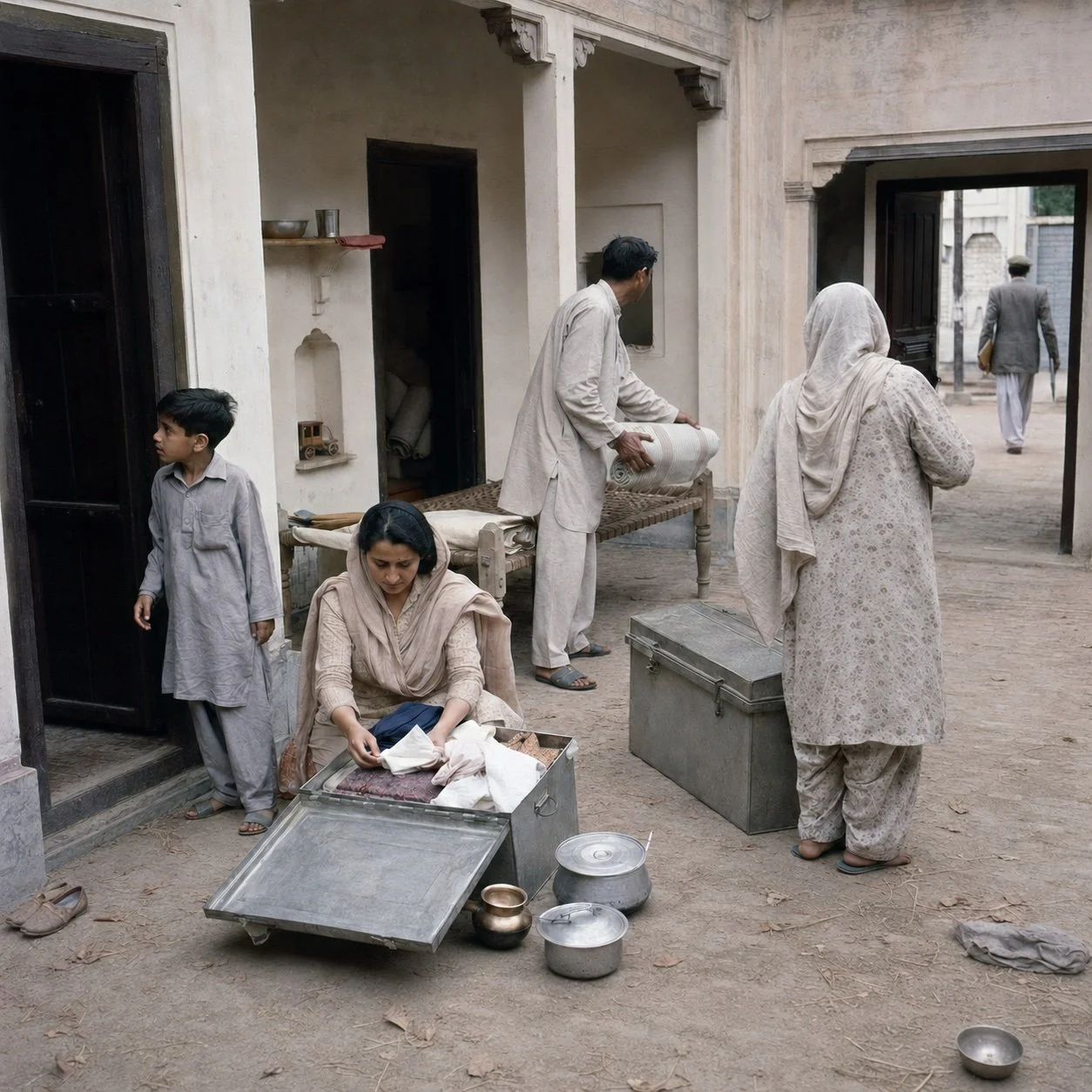
Part III - Building Two States: Refugees & Resettlement
Refugees became neighbours. Camps became communities.
Slowly, life began again.
New homes. New schools. New beginnings.
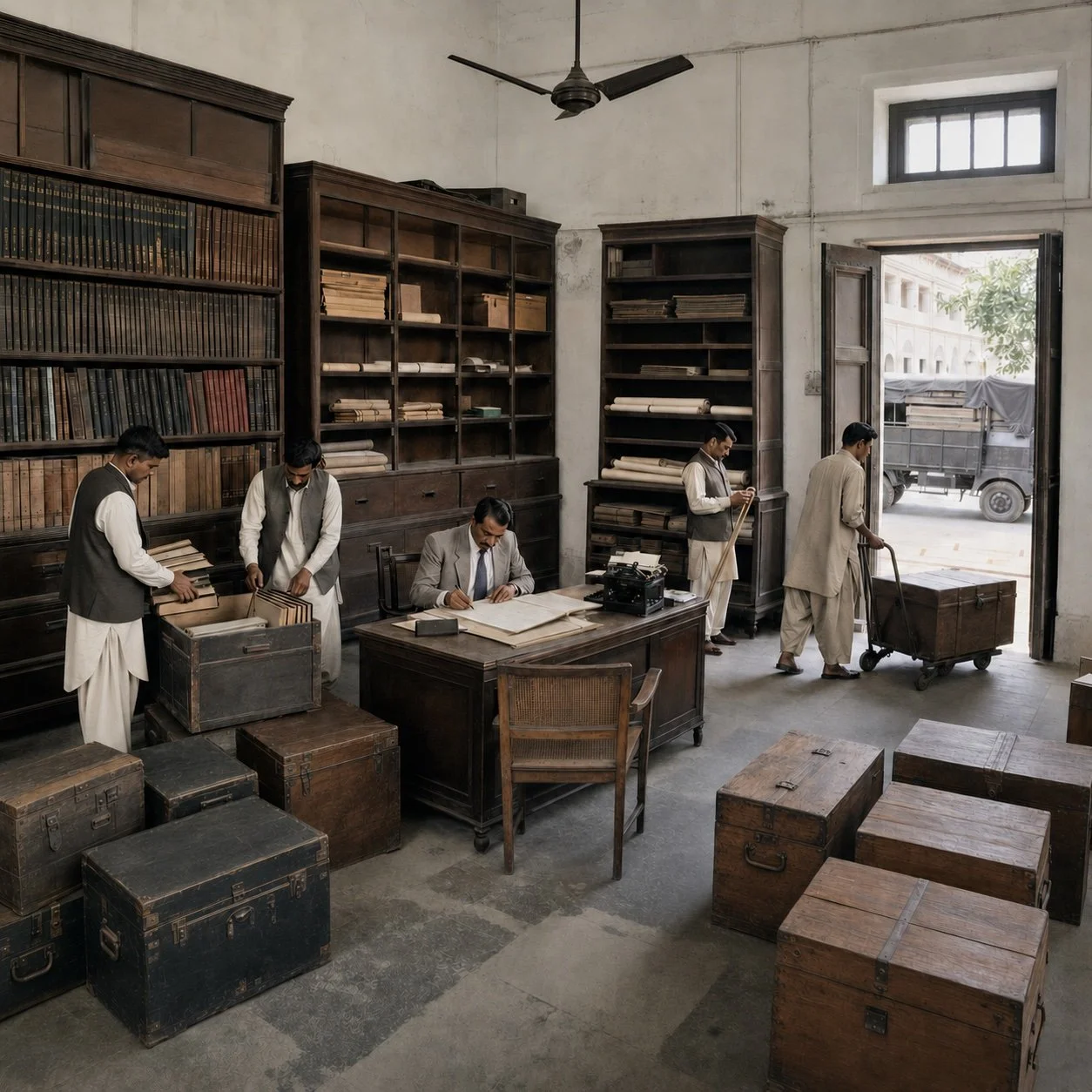
Dividing a Province
Railways. Canals. Records.
Governments. Institutions. Infrastructure.
An administrative division, human migration, and civil unrest tested Punjab’s endurance unlike ever before.
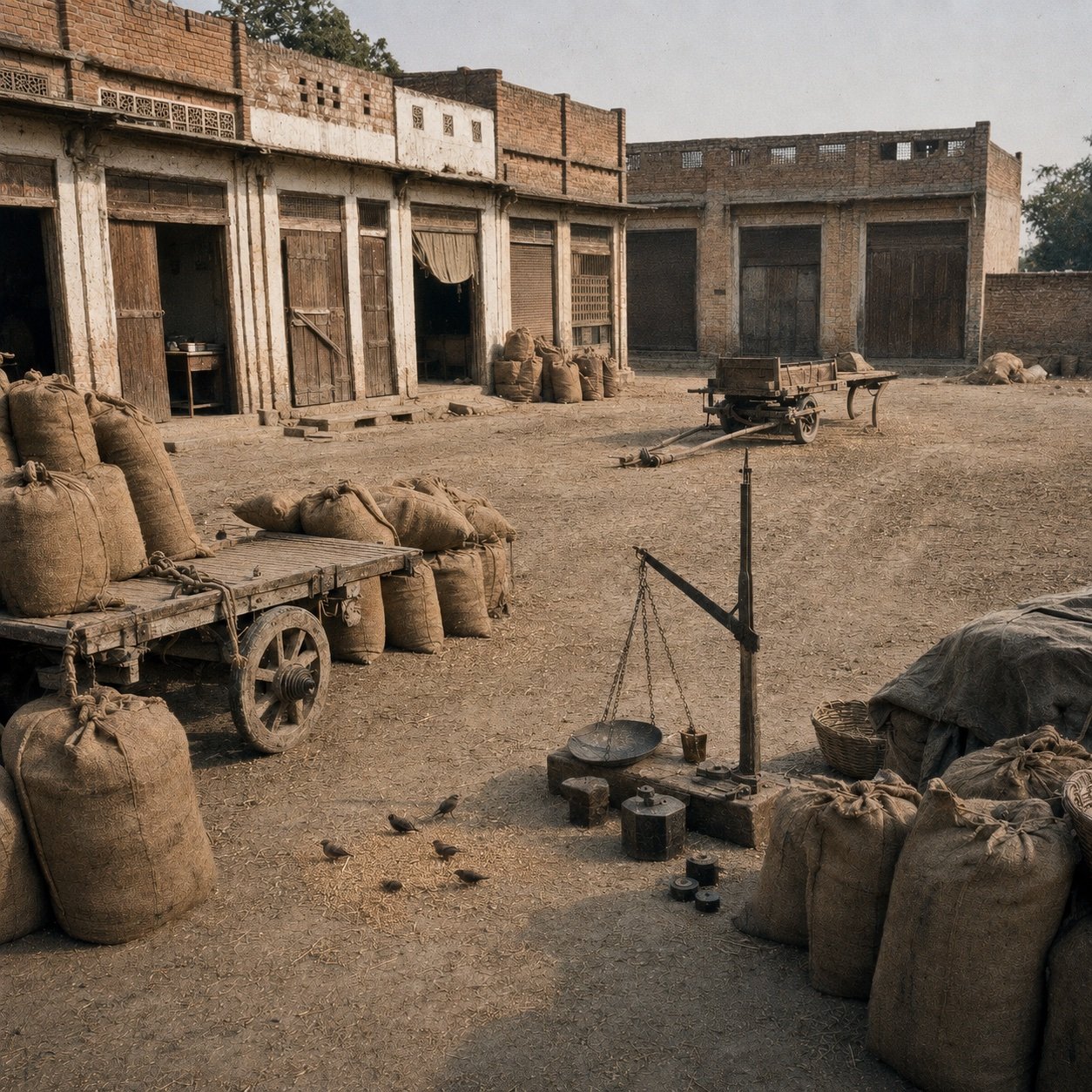
The Economic Consequences
Fields. Factories. Markets.
An economy built over generations was suddenly broken apart.
Recovery would take decades.
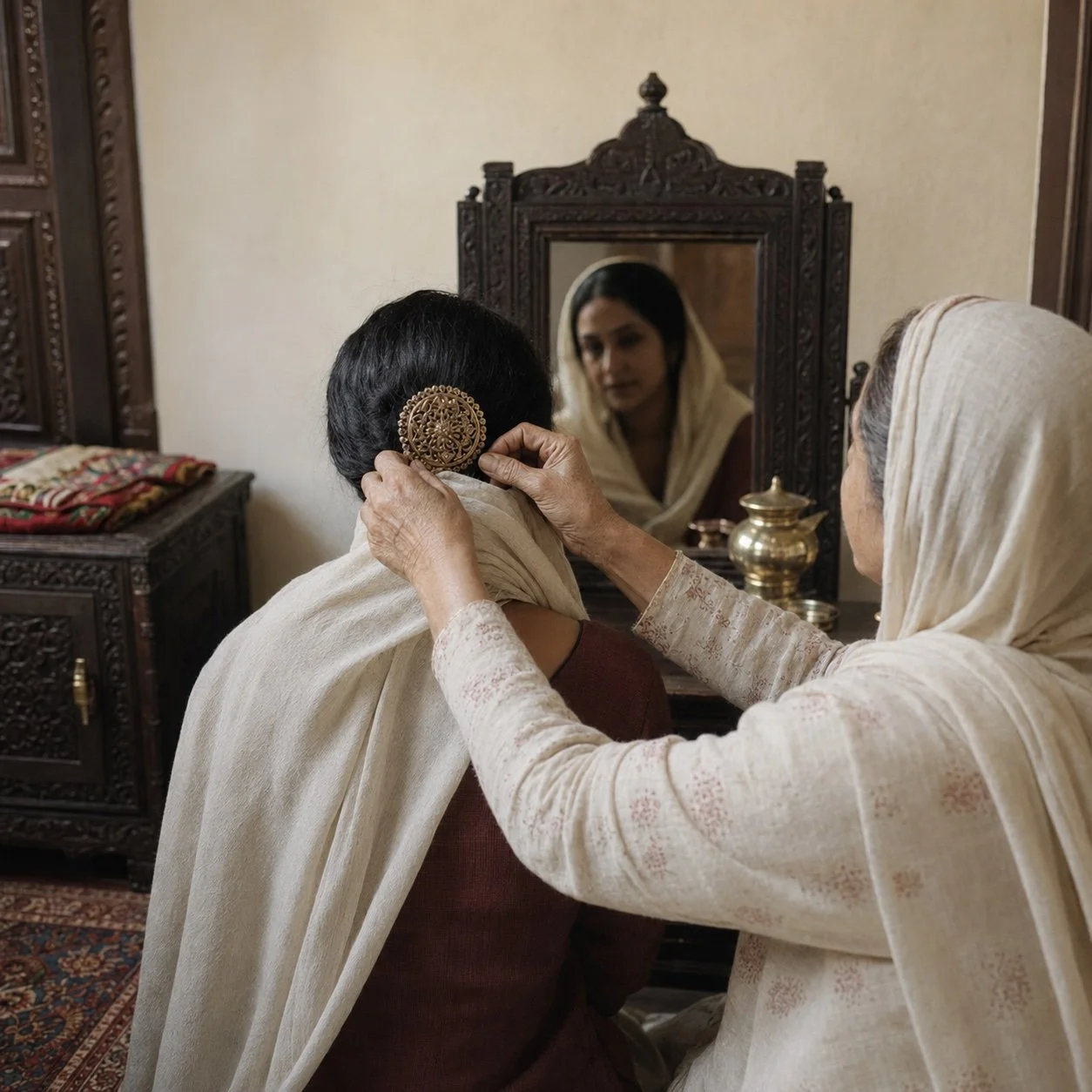
A Divided Culture
East and West Punjab.
Shared memories. Shared identity.
A border divided the province - but people rebuilt, held onto familiar traditions, and Punjab rose again.
Disclaimer: The visuals in this series use symbolic settings, and expressions to convey Punjab in the years leading up to the partition of 1947. These are interpretive representations, not accurate historical depictions.
They do not depict any specific political or historical figures, instead the images are figurative.