
The Lohar of Punjab
~
The Chalisa Famine
~
Banda Singh Bahadur's Lost Legacy
~
The Punjabi Salt Trade
~
The fall of sirhind
~
The Lohar of Punjab ~ The Chalisa Famine ~ Banda Singh Bahadur's Lost Legacy ~ The Punjabi Salt Trade ~ The fall of sirhind ~
Overlooked pages, hidden struggles, unsung heroes, events left unwritten…
The missing pieces of Punjabi history.
Let’s bring them back.The battle of Attock 1813
~
Punjab's vanishing cities
~
The Ghakkar Chiefs - Punjab's forgotten warriors
~
Punjab's lost education system
~
The Sufi who bridged faiths
~
Maharaja Ranjit Singh's most powerful Alliance
~
The battle of Attock 1813 ~ Punjab's vanishing cities ~ The Ghakkar Chiefs - Punjab's forgotten warriors ~ Punjab's lost education system ~ The Sufi who bridged faiths ~ Maharaja Ranjit Singh's most powerful Alliance ~
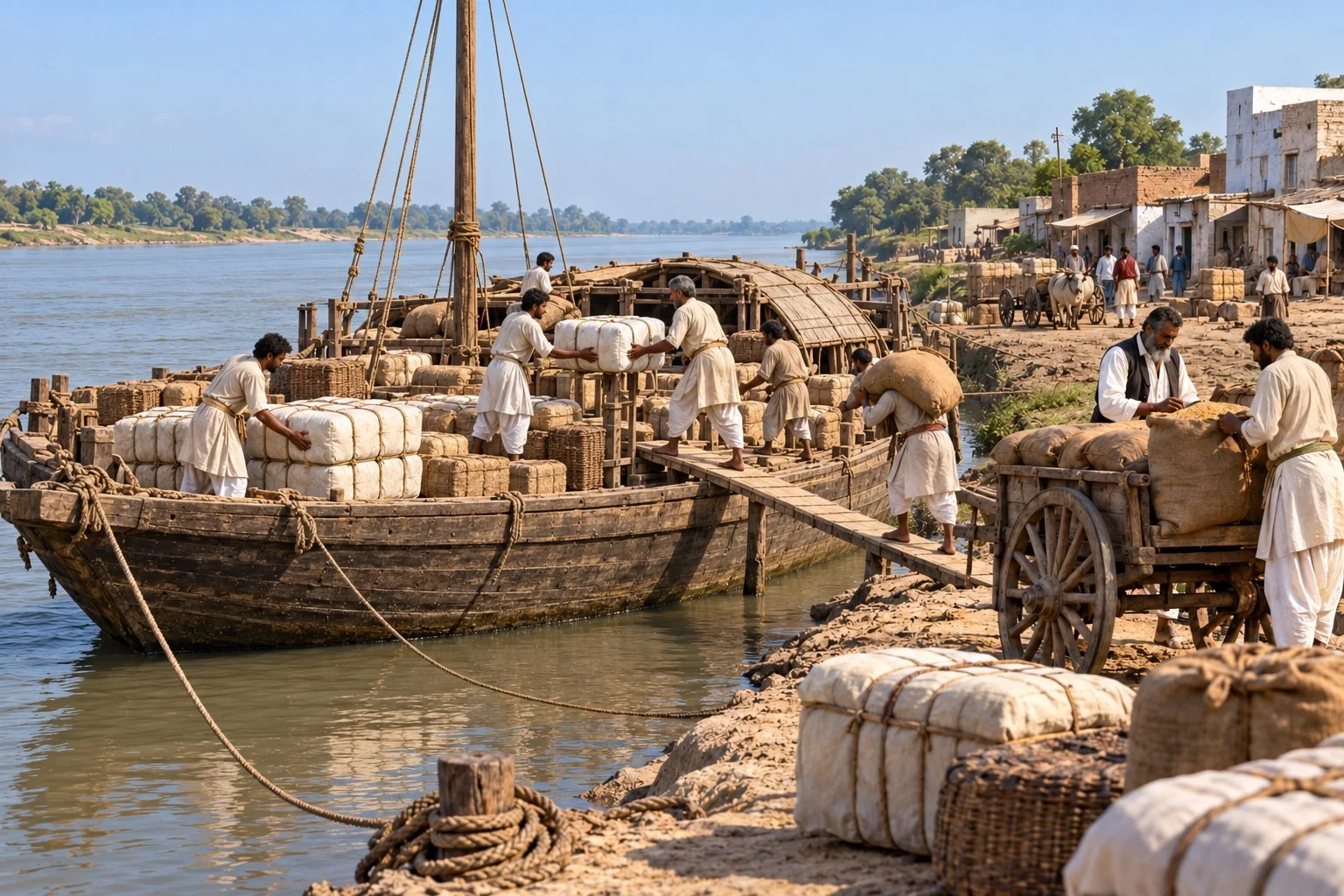
Punjab’s Forgotten River Ports
Before the railways, Punjab moved by river.
Grain. Cotton. Salt. Timber.
Boats carried goods, ferries connected communities, and markets grew along the banks. A network shaped by the water - and altered whenever it changed course.
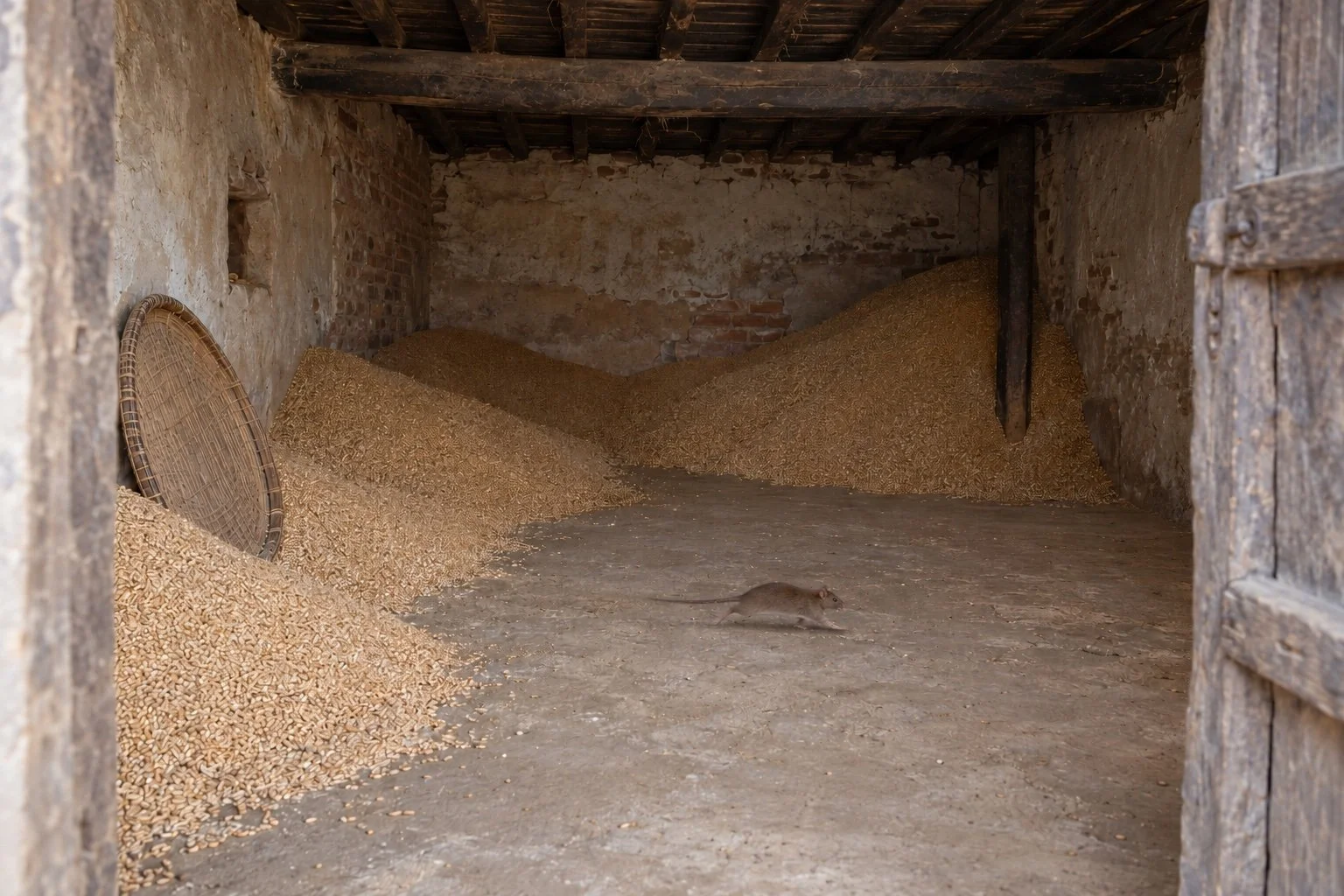
The Punjab Plague
At the end of the 1800s, plague entered Punjab’s homes and villages.
Repeated outbreaks. Frightened households. Lives interrupted.
Families faced both a deadly disease and measures that could force them from their homes. Millions died across the decades that followed.
The Punjab Plague. A catastrophe whose place in public memory rarely reflects the scale of its loss.
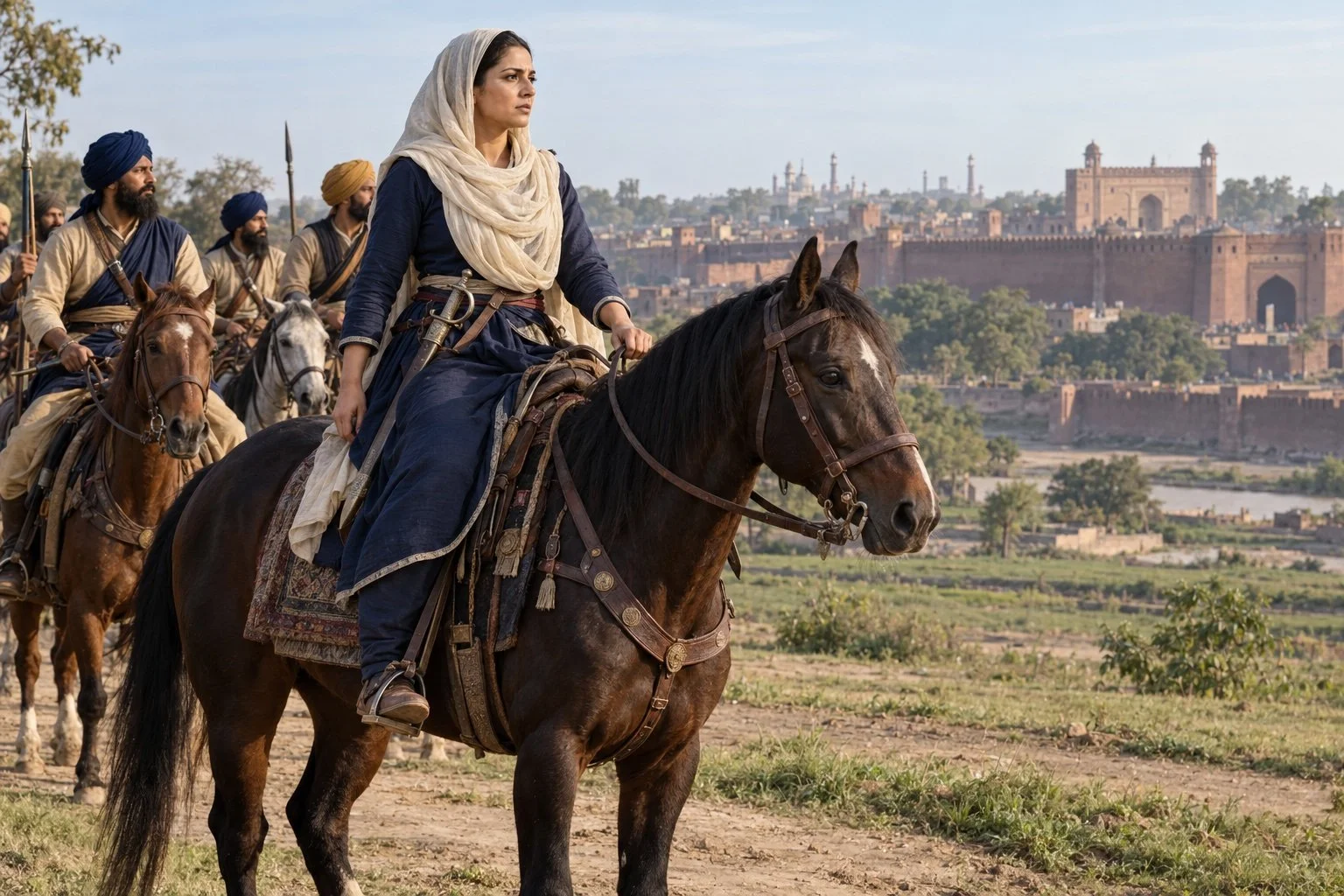
Sada Kaur’s Overlooked Legacy
Before the Sikh Empire - an alliance. A shared ambition.
Sada Kaur. Leader of the Kanhaiya Misl. A commander whose support helped Ranjit Singh take Lahore.
From partnership to conflict. From authority to confinement.
The woman who helped build an empire - and lost her independence to its rise.
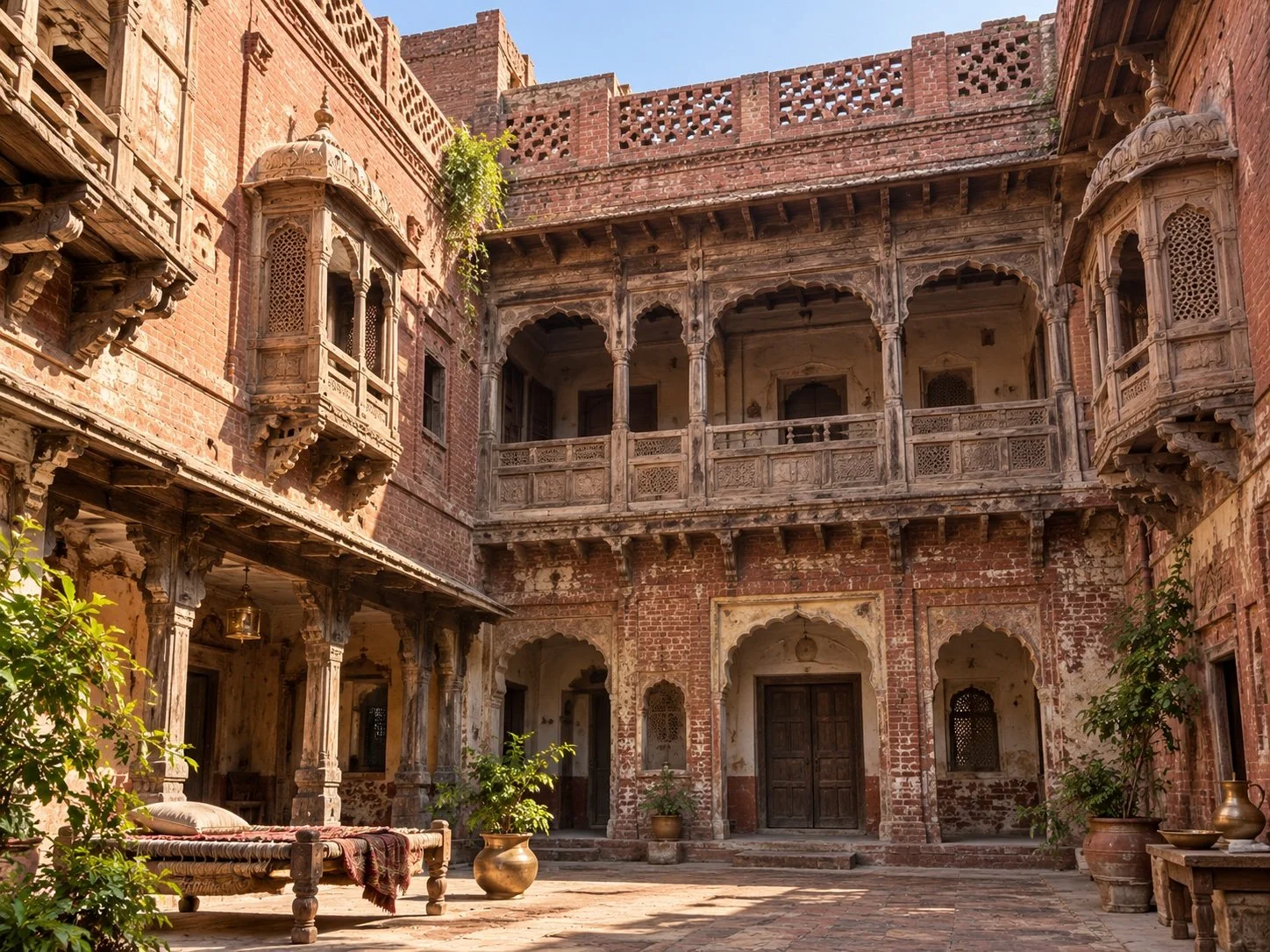
Punjabi Vernacular Architecture
Beneath the rooftops of Punjab - a forgotten tradition - the Punjabi home.
Courtyards. Verandahs. Thick brick walls. Carved wooden doors.
Lahore to Amritsar. Potohar to Malwa. Village to city.
Built for climate, shaped by family, and carried through generations of local knowledge.
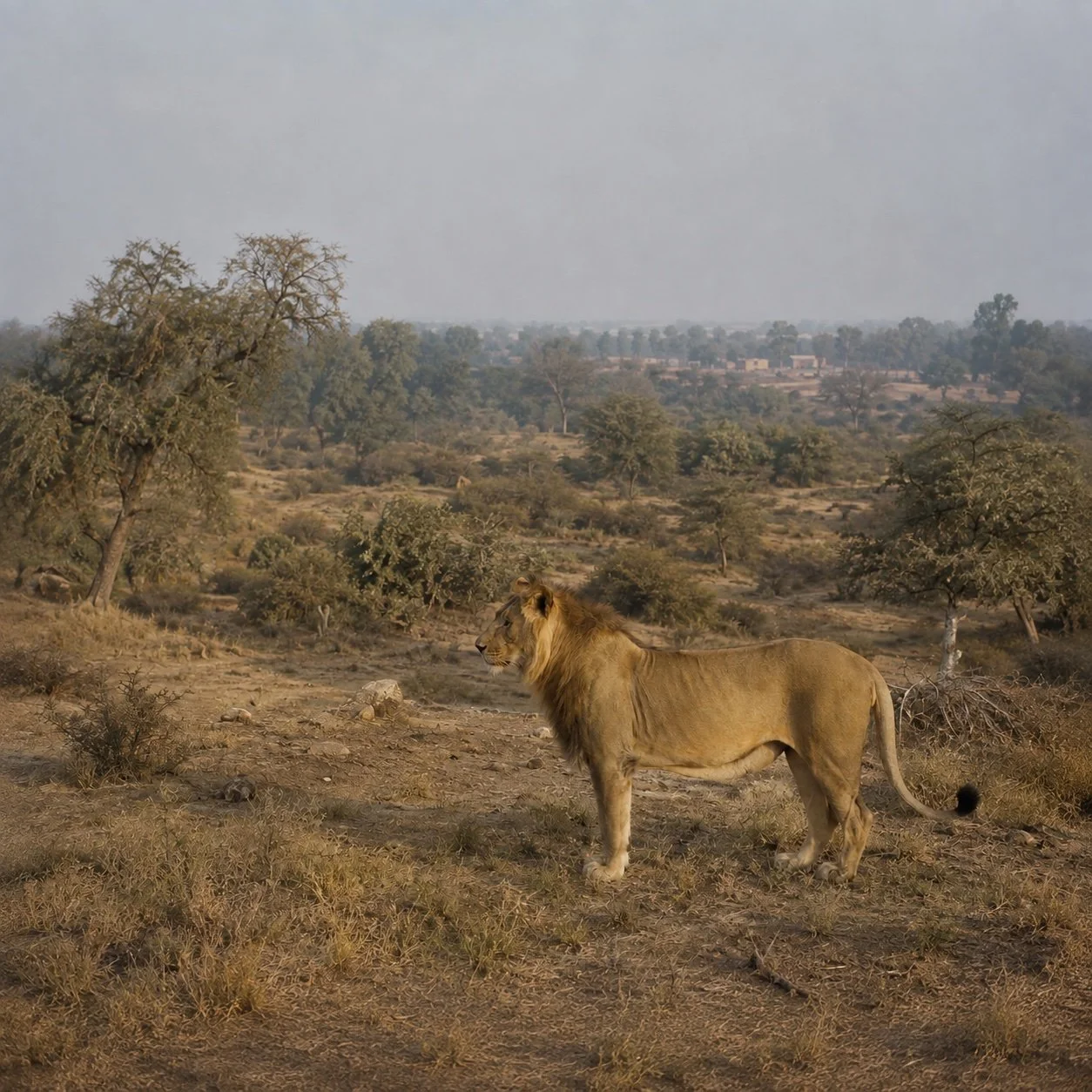
The Lions of Punjab
When lions roamed Punjab.
Before canals and cultivation transformed its plains, Asiatic lions lived among Punjab’s grasslands, thorn forests and dry riverbeds.
Royal hunts. Changing landscapes. A species driven from the land.
Although the lion disappeared from Punjab, it remained within its titles, language and memory.
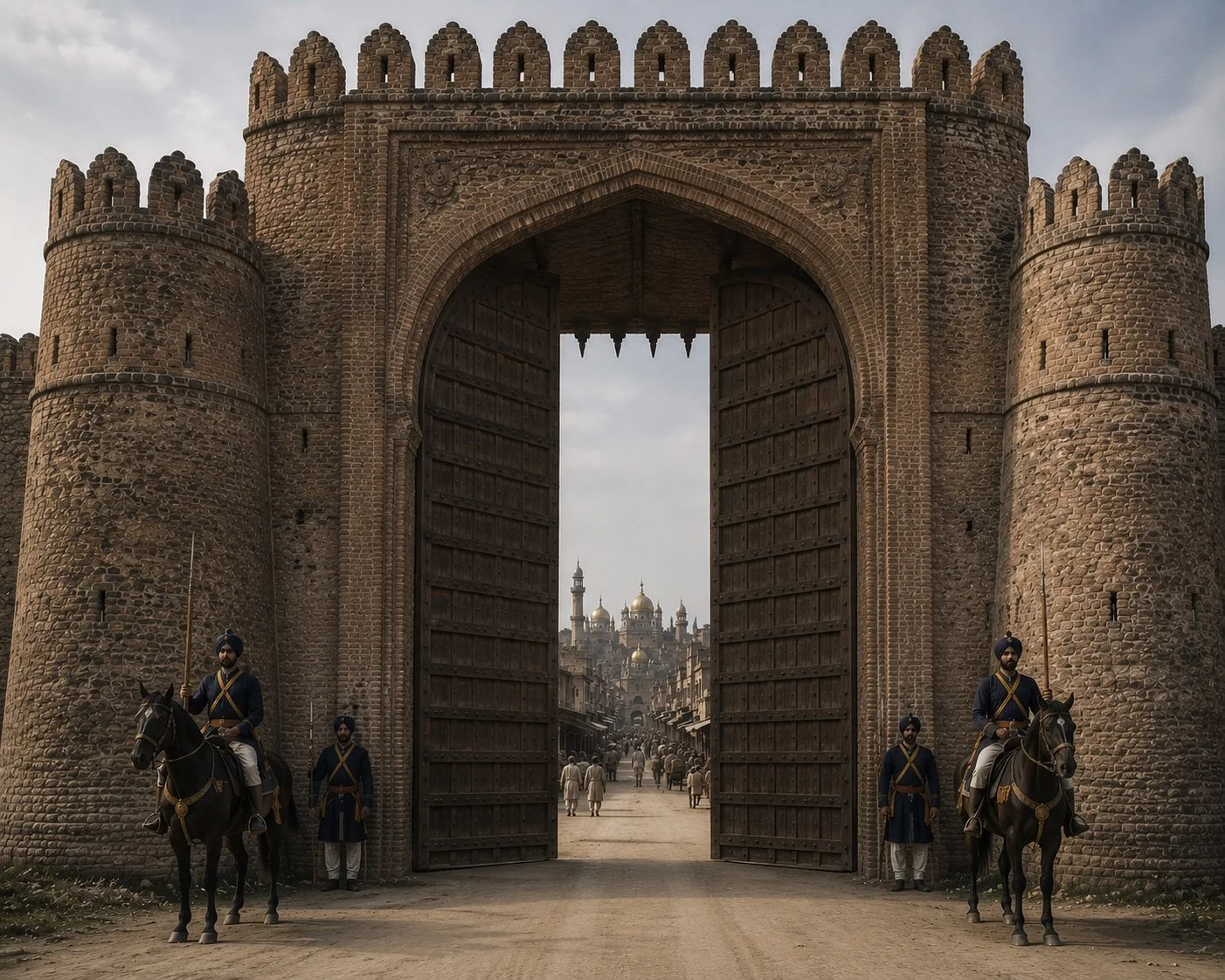
The 12 Gates of Amritsar
By day, they welcomed the world into Amritsar.
By night, they sealed the city behind towering walls.
They witnessed the rise of the Sikh Empire, the fall of the Mughals, the arrival of the British East India Company, and the transformation of Amritsar from a fortified city into a modern metropolis.

The Battle of Attock - 1813
Attock was the doorway to Punjab. Whoever held it controlled armies, trade, and the movement of empires. In 1813, the Sikh Empire under Maharaja Ranjit Singh and the Durrani Empire clashed for this strategic frontier. The battle that followed became one of the most important turning points in the westward expansion of Punjab.

The Doabs of Punjab: Where Five Rivers Shape a Land
Between five rivers; a land divided, defined, and reborn.
The Doabs of Punjab. Geography turned destiny.
The Mughal Empire. The British Raj. Post Partition Canal Projects.
Where soil, water, language, and history intertwine to shape a civilisation.

The Ghakkar Cheifs
The Ghakkar Chiefs - Rulers of the Potohar Plateau.
Known for their resilience and strategic strongholds, the Ghakkars shaped the region’s history for centuries.
Resisting invaders. Alliances with major empires.
Despite their centuries long control, they are rarely remembered today.

The Lost Kingdom of Multan
A city of saints. A fortress of empires.
By the 1800s, Multan stood as one of Punjab’s last independent powers under Nawab Muzaffar Khan Sadozai. But history was shifting - Ranjit Singh’s rise in Lahore left little room for rivals.
In 1818, the siege of Multan ended the Sadozai kingdom and unified Punjab under Sikh rule.

The Fall of Sirhind
Sirhind.
Fortress of the Mughals. Stronghold of tyranny.
A city where power was hoarded, and justice denied.
Its name carried fear and its walls, oppression.
Twice it felt the tremors of Punjab.
First at the strike of Banda Singh Bahadur.
Then at the march of the Sikh misls.
The city that once chained Punjab to imperial rule became the first step of its liberation.
And with it, came the end of Mughal dominance in Punjab.
This is the story of a city that fell - not once, but twice - and never rose again.

Banda Singh Bahadur’s Lost Legacy
Lachhman Dev. Madho Das. Banda Singh Bahadur.
Villager. Ascetic. Warrior.
A man whose sword cut through oppression.
The clash of empires. A fight for justice. Unwavering conviction.
Victory came at a price: betrayal, defeat, martyrdom. His story - a blend of glory and tragedy - was etched into the pages of history. Yet it was overshadowed by the rise of the golden age.
It’s time to revisit the past and trace the roots of Punjab’s struggle for freedom.

Mian Mir - The Sufi Who Bridged Faiths
Amritsar. 1550. Khurew.
A revered Sufi saint is born - Mian Mir.
Spirituality, Humility, Wisdom.
Transcending religious boundaries, and earning the respect of Punjabis from all walks of life.
Mughal courts to the Harmandir Sahib, Mian Mir’s life was a testament to both unity and compassion.

The Punjabi Salt Trade
Beneath the rich soils of Punjab - a precious resource - salt.
The Punjabi salt trade. Centuries long. An economic backbone.
Khewra to Lahore. Jhelum to Bengal. The Grand Trunk Road.
A lifeline, a symbol of survival, and a part of Punjab’s enduring legacy.
The Chalisa Famine
Chalisa – 40. A name tied to devastation.
A famine that ravaged Punjab. Crops failed, rivers ran dry, hunger consumed the land.
The Mughal decline. The rise of Sikh Misls. A region caught between power struggles and nature’s wrath.
Thousands perished. Villages emptied. Those who survived carried the scars for generations. Time moved on. Empires rose, borders shifted, and the Chalisa Famine faded into obscurity.
A tragedy buried in time - until now.

From Loot to Juggernaut: Punjabi Words that became English.
Punjab’s history is full of overlooked contributions, but one of its most unexpected influences is on the English Langauge. As a result of colonial encounters, many everyday English words were adopted from Punjabi. These words, once spoken in the streets and fields of Punjab, found their way into British military reports, trade documents, and everyday conversation.

The Lohars of Punjab
Lohar - Blacksmith. Loha - Iron.
Artisans inhabiting Punjab for centuries. Crafting swords, spears, shields, and supporting armies, warriors, and revolutions.
Jassa Singh Ramgarhia - a leader who carried the weight of not only iron, but the future.
The Industrial Revolution. Mass produced goods. A legacy pushed into the shadows.