
The World Wars - Punjab’s Contribution
When the First World War began in 1914, few could have imagined how deeply it would affect Punjab.
The conflict itself was centred in Europe, but its impact would reach villages, towns, and families across the Punjab province. Over the following decades, hundreds of thousands of Punjabis would serve in the British Indian Army, travelling to distant parts of the world and participating in some of the largest conflicts in human history.
For many, military service offered regular pay, social prestige, and opportunities that were difficult to find elsewhere. However, it simultaneously presented the challenges of separation, hardship, injury, and loss.
The world wars helped strengthen Punjab's reputation as the soldier's province of British India, while also transforming the lives of those who fought and the communities they left behind.
The First World War (1914–1918)
When Britain entered the First World War, troops were required on an enormous scale. Punjab quickly became one of the Empire's most important recruiting grounds.
Officials already viewed Punjabis as a valuable source of military manpower. Decades of recruitment policies, combined with the province's strong traditions of military service, meant that many soldiers came from Punjabi backgrounds. Recruitment campaigns expanded across rural districts, and enlistment became increasingly common in villages throughout the province.
For many, joining the army offered stable wages and the possibility of supporting their families. Military service also carried a degree of honour and social status, particularly in communities where previous generations had served.
Yet few recruits could have anticipated where their service would take them.
Punjabi soldiers fought in regions stretching across continents and men who had spent most of their lives within Punjab suddenly encountered foreign languages, unfamiliar cultures, harsh climates, and landscapes unlike anything they had previously known.
The conditions were often extremely difficult. Soldiers faced freezing winters, heavy rain, mud-filled trenches, and modern industrial warfare on an unprecedented scale. Many experienced snow and severe cold for the first time in their lives.
Many soldiers wrote letters home describing their experiences and spoke of distant countries, new technologies, fear, loneliness, curiosity, and pride.
Like every major conflict, the First World War came at a significant human cost. Many soldiers gave their lives, while others returned home carrying physical injuries or lasting emotional scars. Some found it difficult to explain their experiences to families who had never left Punjab and could scarcely imagine the realities of the battlefields they had witnessed.
A Changed Province
The effects of the war extended far beyond the soldiers themselves.
Families spent years separated from husbands, fathers, brothers, and sons. Villages followed news from distant battlefields while waiting for letters to arrive from abroad. Some households benefited from military wages and pensions, while others struggled knowing that the departed soldiers would never return.
Veterans brought home more than just military experience. They returned with stories, new perspectives, and a greater awareness of the wider world. Many had travelled further than most people of their generation could have imagined.
As the war ended, some hoped that their contributions would lead to greater political reforms and a stronger voice within the Empire. When those expectations were only partially fulfilled, frustration began to grow. Across British India, political tensions increased, contributing to the changing relationship between Punjab and colonial rule.
The Second World War (1939–1945)
Just over two decades later, the world was once again at war.
The Second World War was larger than the first, and Punjab once again became one of the most important recruiting regions in British India.
Punjabi soldiers served across Europe, Africa, the Middle East, and Asia. They fought in North Africa against German and Italian forces, participated in campaigns in Italy and Greece, and played a major role in the Burma campaign against Japan.
The scale of service was immense. By the final years of the war, the British Indian Army had become one of the largest volunteer armies in history, with Punjabis forming a significant portion of its ranks.
As in the First World War, military service created opportunities but also demanded sacrifices. Long deployments kept soldiers away from home for years. Families faced uncertainty while waiting for news from distant fronts, and many communities mourned those who never returned.
More Than a Battlefield Story
The world wars were not only fought by those carrying rifles.
Women often managed households, farms, businesses, and family responsibilities while male relatives served overseas. Communities organised recruitment efforts, supported military families, and adapted to the absence of large numbers of working-age men.
Economic benefits from military service reached many rural areas through wages, pensions, and remittances. Veterans often returned with a respected social standing, and military service became increasingly woven into the identity of many Punjabi communities.
At the same time, not all returning soldiers found the transition easy. Some returned with permanent injuries, while others carried memories of violence and loss that remained long after the wars had ended. The psychological effects of warfare were rarely discussed openly, but they formed part of the hidden legacy of military service.
Punjab and the End of Empire
The world wars strengthened Punjab's military reputation, but they also contributed to broader political change.
Hundreds of thousands of Punjabis had travelled abroad, witnessed global events, and participated in conflicts fought on behalf of the Raj. Their experiences helped shape new perspectives about politics, citizenship, and self-government.
By the end of the Second World War, colonial authority across the world had weakened significantly. Within India, demands for independence had become impossible to ignore.
In 1947, only two years after the war ended, colonial rule in India came to a close.
Punjab had contributed soldiers, resources, labour, and sacrifice to both world wars. Yet the province would soon face a challenge of its own far closer to home: the Partition of India and the division of Punjab itself.
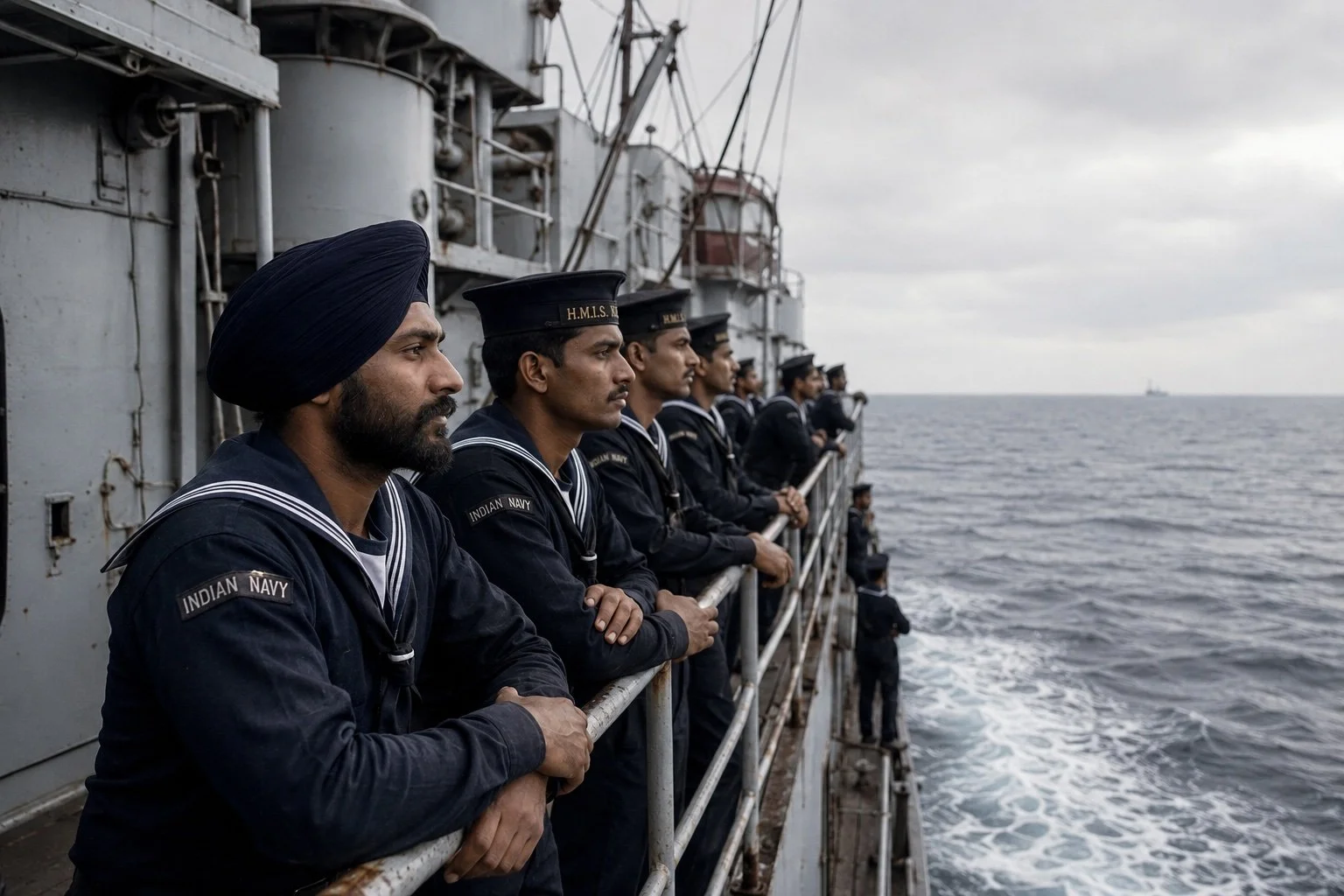
To those who served far from Punjab, and the communities who waited for them,
With Great Respect,
TrishSaab