Military Expansion
To hold an empire, you must do more than conquer. You must prepare it to endure.
FROM SURVIVAL TO STRATEGY
There is a stark difference between the Punjabi warriors of the 1700s and the 1800s. The former were born in the crucible of resistance - hunted, targeted, and fighting from from the forests.
But by the early 1800s, under the protection of the Sikh Empire, the Punjabi army was no longer an underground force. This transformation didnt happen by chance. It was built - deliberately, ambitiously, and with both legacy and defence in mind. Where the Mughal military had crumbled under the weight of stagnation and court factions, Ranjit Singh’s army surged ahead - combining discipline, innovation, and reform.
THE GHOST OF MUGHAL POWER
For centuries, the Mughal army had been the most feared in the subcontinent.
Under Emperors like Akbar and Aurangzeb specifically, the Mughals conquered vast territories with its mansabdari system - a hierarchical structure introduced by Emperor Akbar in both administration and the military, heavy cavalry, and skilled artillery.
However, by the 1700s, this system had collapsed due to corruption and inefficiency. The soldiers were underpaid (some completely unpaid), artillery was outdated, and loyalty was bought and no longer earnt. The once mighty Mughal armies were now disorganised and notorious for their corruption.
Ranjit Singh learnt from this; he did not rebuild the mansabdari system as it had already proven itself effective. Instead he reinvented it.
BUILDING THE KHALSA’S MILITARY MACHINE
Ranjit Singh’s army was divided into:
The Regular Army - Fauj-i-Ain
Composed of infantry, cavalry, and artillery units, the Fauj-i-Ain were professional soliders - salaried, trained, and supplied directly by the state. Loyatly wasn’t assumed or bought, it was earned and maintained.
The Elite Corps - Fauj-i-Khas
Consisted of soldiers trained in European military methods. The Fauj-i-Khas had a distinct uniform, and was seperate from the Fauj-i-Ain. The leading officers were French, Italian, and European veterans of the Napoleonic wars. Specifically:
Jean-Baptiste Ventura trained infantry and introduced formal drills.
Jean-Baptiste Avitable restricted administration and logistics.
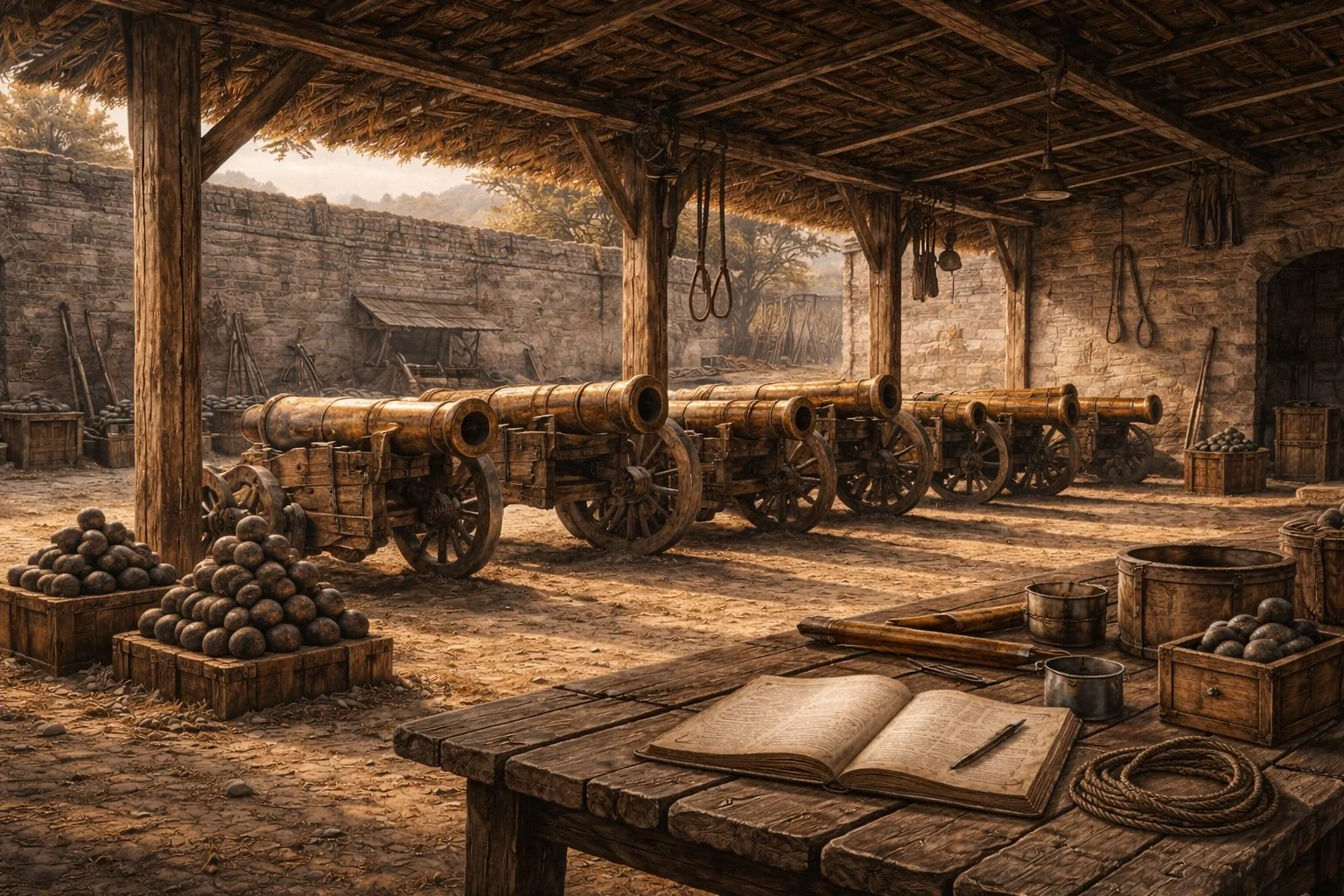
Claude Augustus Court modernised artillery units.
The Fauj-i-Khas was composed specifically for discipline, defence, and deterrence.
CONQUESTS THAT RESHAPED THE MAP
As Maharaja, Ranjit Singh did not expand recklessly. Each of his campaigns was strategic - aimed at consolidating borders, securing various trade routes, and neutralising threats to the empire.
1818 - Conquest of Multan
Historically, the city had been under both Afghan and Mughal control (with significance to both empires). Its siege and fall marked the rise of Punjabi power in the south.
1819 - Capture of Kashmir
Kashmir had been ruled by the Mughal and Durrani Empires. Ranjit Singh’s conquest expanded his empire’s territory but also provided valuable revenue and resources.
1834 - Seizure of Peshawar
Peshawar had long been a frontier post of the Mughal Empire, but became a volatile border zone. By taking control, Ranjit Singh extended Punjabi authority to the edge of the Khyber Pass.
Each of these conquests weren’t just military victories, they were acts of reclamation - taking cities that had once been under the control of Mughal emperors, and placing them under Punjabi rule.
A NEW KIND OF ARMY
This army was not entirely Sikh. Ranjit Singh employed Punjabis of all faiths and re-established Mughal emperor Akbar’s vision of mansabdari where merit outweighed networks and religious identity. What mattered was skill, loyalty, and discipline.
Unlike the late Mughal forces, loyalty within the army of the Sikh Empire was cultivated, not assumed. Ranjit Singh oversaw promotions, rewarded success and punished misconduct. His army was designed to be a national force, rooted in modern ideas of service and structure.
A LEGACY OF STRENGTH
While the previous empires ruled Punjab by grandeur, Ranjit Singh ruled by preparation. His military expansion did the following for an independent Punjabi Empire:
Protected the borders of Punjab from external encroachment.
Stabilised newly integrated regions - like Peshawar.
Built the only Indian power in the 1800s strong enough to exist alongside the British East India Company during his lifetime.
To the Maharaja who studied the failures of empires and built his own to endure them.With reverence, TrishSaab